How Much Walking Is Involved at Uzbekistan's Main Historic Sites?
"No trekking" is helpful information, but it tells you very little about a morning in a historic city. A sightseeing route can stay close to the vehicle and still involve steep steps, long standing explanations and uneven paving. To judge Uzbekistan sightseeing walking difficulty, ask about the shape of the day rather than one reassuring adjective.
1. Separate distance from the difficult parts
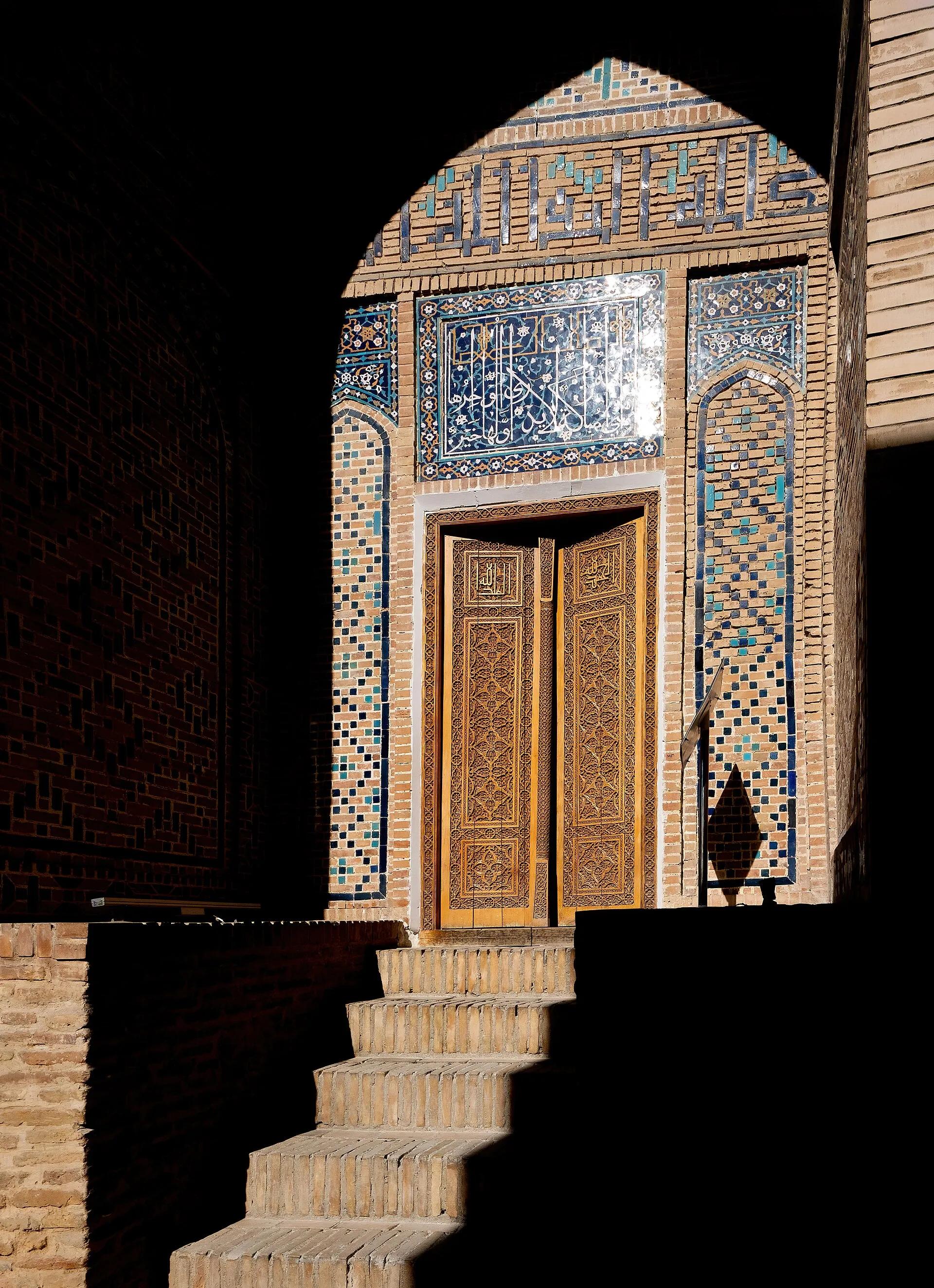
Samarkand's monuments are spread across the city, so transfers may shorten the gaps between visits. Inside each complex, however, the experience is still largely on foot. Shah-i-Zinda is particularly important to discuss because stairways are part of the usual visit; a full route should not be described as step-free without a specific assessment. Bukhara lends itself to linked walks through the historic centre. That convenience can make the total walking accumulate unnoticed. Khiva's compact Itchan Kala also encourages visitors to keep going from one courtyard to the next. Short map distances do not remove thresholds, irregular surfaces or the effort of standing. Place or activityWhat to ask aboutA useful adjustmentShah-i-Zinda, SamarkandStairs and the proposed extent of the visitAgree a shorter visit and waiting pointBukhara old-city walkLongest uninterrupted walking and standing blockSplit the route with a seated breakKhiva interiors and lanesThresholds, paving and toilet accessPrioritise fewer interiorsWalls or minaret viewpointsSteep stairs, handrails and current accessKeep climbs optional These are planning prompts, not an accessibility certification. Temporary works, weather and the exact entrance used can change the practical route.
2. Describe your needs in ordinary, measurable terms
Tell the planner your comfortable walking time before a break, whether you use a stick or wheelchair, and what you find hardest: slopes, steps, heat, balance or standing still. If stairs are manageable only with a rail, say so. If you cannot lift a mobility aid into a vehicle, that needs a separate arrangement. Ask for a daily estimate of distance, the longest walking block and the number and nature of significant stair sections. Estimates should be labelled as such; there is no universal step count for a city tour. Add hotel access, the route to breakfast and station boarding to the assessment, not just the famous sights.
3. Keep the highlights without keeping every movement
Minzifa's six-day Uzbekistan route connects Tashkent, Samarkand and Bukhara. Use the proposed sightseeing list to request adjustments before booking, rather than assuming a private vehicle makes every interior accessible. Useful modifications include later starts after a difficult transfer day, seated explanations before entering a site, fewer repeated courtyard visits and a clear meeting point if one person skips a climb. Ask where a vehicle can legally stop and how far that leaves you from the entrance. "We can drive closer" needs a location, not just goodwill. In hot weather, shift exposed walking where possible; in cold or wet conditions, ask about slippery surfaces. Comfortable footwear helps, but it does not replace a realistic route.
Travel Tip
Ask the operator to send the hardest walking section of each day, not merely an average activity rating. That is often the detail that determines whether a trip is comfortable.
- When: While the route and accommodation can still be adapted.
- Where: Monument entrances, pedestrian streets, hotels and railway stations.
- The Vibe: The same cultural interest, with a pace you can actually enjoy.
Request a walking-aware itinerary, explore tour options, and meet the team behind the arrangements.
Cover photo: Steps at the entrance to Amir Burunduk Mausoleum in Shah-i-Zinda, Samarkand. Site access should be assessed for individual mobility needs.
Comments
Leave a comment
No comments yet. Be the first to share your thoughts!