Kyrgyzstan — Why Travellers Who Come for a Week End Up Staying Three
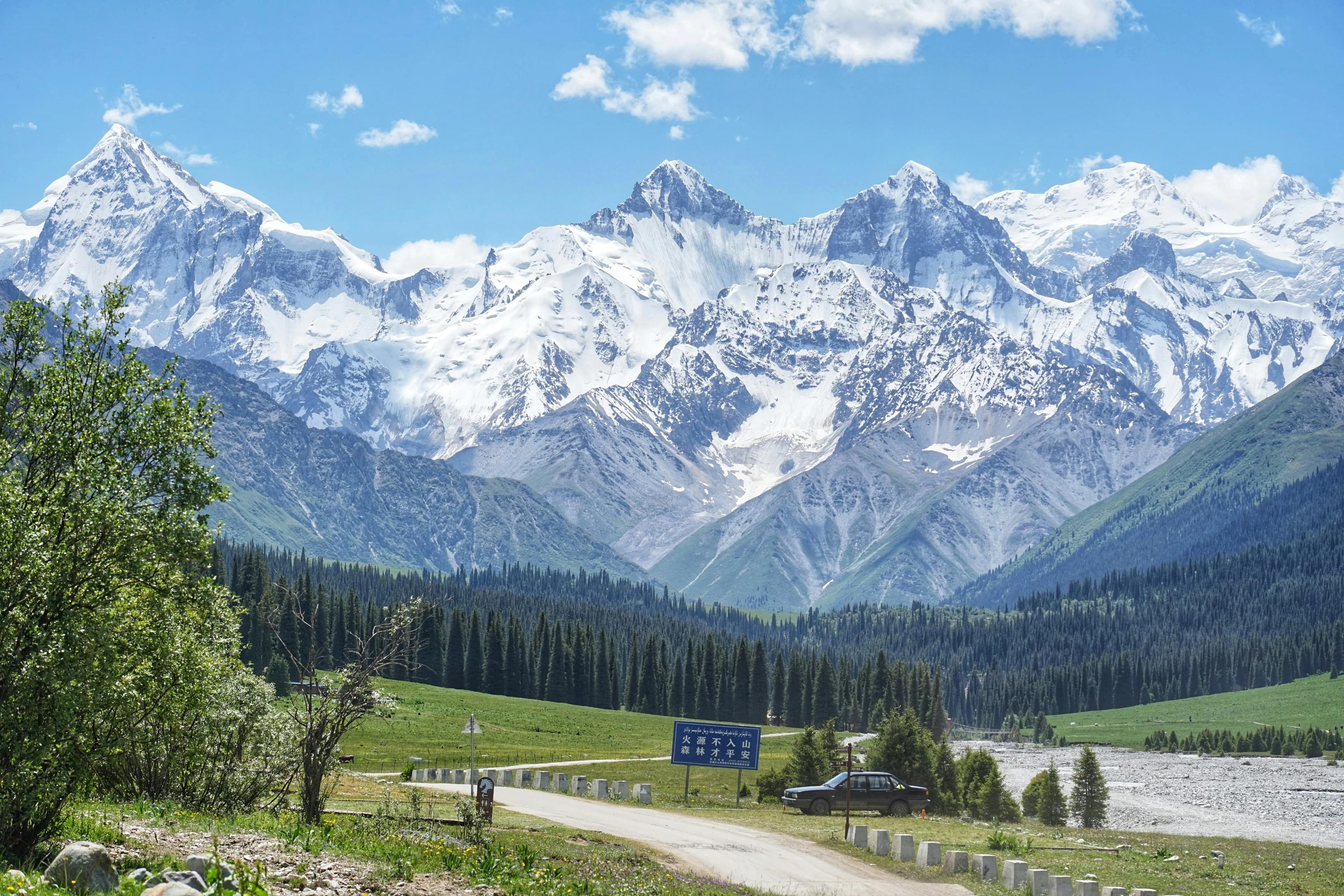
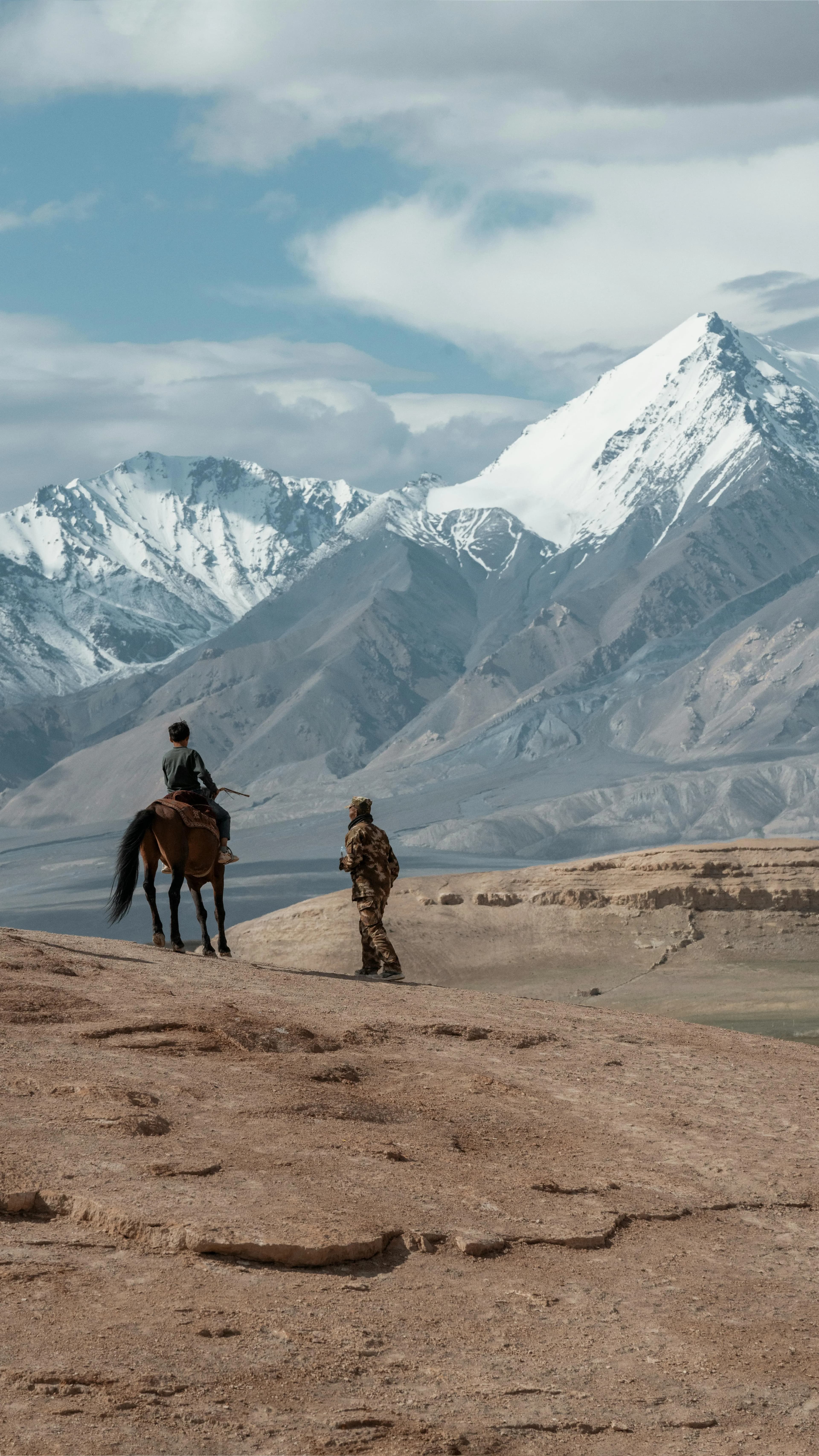
That it doesn't look real. You come around a bend on a mountain road and there's a lake in front of you the colour of oxidised copper, snow-capped peaks above it, and a lone horseman crossing the valley in the middle distance, and your brain briefly struggles to process whether what you're seeing is a landscape or a painting. It's a landscape. This happens a lot here. Over 90 percent of the country is mountains, which means Kyrgyzstan is doing something very different from its Central Asian neighbours. Uzbekistan gives you history and architecture. Kyrgyzstan gives you space, altitude, and a way of life that's genuinely unlike anywhere else most Western travellers have been — and the combination of those two countries in a single trip is the reason our multi-country route between them is one of our most-booked itineraries. ** **Start in Bishkek, but don't stay long. The capital is a Soviet-era city with wide boulevards and concrete apartment blocks, and it's also genuinely pleasant in a way that surprises people — leafy parks, a young crowd in the cafes, and the Tian Shan mountains visible from the city centre. One full day is enough: the Osh Bazaar in the morning, which is enormous and sells everything from horse saddles to fresh bread, then the Panfilov Park area in the afternoon, then dinner in the Erkindik neighbourhood where the restaurants are local rather than tourist-facing. After that, leave. ** **Issyk-Kul. Two hours east of Bishkek is one of the largest alpine lakes in the world, sitting at 1,600 metres with snow-capped peaks on three sides and water warm enough to swim in because of mild geothermal activity. In summer the south shore towns are lively with Kyrgyz families on holiday. In shoulder season they're quieter and the mountains above are clearer. One or two nights, a full day on the water, a hike into the hills above the lake — that's the right amount of time here. ** **Song Kul. If you take one piece of advice from this article, let it be this: go to Song Kul. Four to five hours from Bishkek by car, the last section on a gravel mountain road that's rough but entirely manageable in a 4WD. The lake is at 3,016 metres, which means the air is thin and the temperature drops sharply at night even in July, so bring a warm layer regardless of when you're visiting. What you find when you get there is a high plateau ringed by mountains, the lake in the centre, and dozens of yurt camps scattered around the shore where nomadic families summer with their herds. You stay in one of these camps — a felt-lined circular tent with real beds, meals cooked by the family, horses available to ride across the plateau, and a night sky so dark and clear that lying on your back in the grass outside the yurt and looking up makes you feel very small in the best possible way. No electricity. No Wi-Fi. No signal. People who find that sentence stressful usually discover when they actually arrive that they don't miss any of it. ** **Karakol and Jeti-Oguz. At the eastern end of Issyk-Kul, Karakol is a small town that serves as the base for trekking into the Tian Shan. The Sunday animal market is one of the most vivid in Central Asia — horses, cattle, sheep, and yaks bought and sold by farmers who've driven hours to be there, in an open field, in the kind of organised chaos that makes you feel like you've stepped into a scene from a different century. Jeti-Oguz, twenty minutes away, is a valley of red sandstone formations that look like they belong in Utah, except that behind them are green mountains and above those are glaciers. ** **How long to spend here. A week in Kyrgyzstan is the minimum to feel like you've actually been somewhere. Ten days lets you breathe. The travellers who end up staying three weeks usually arrived planning to stay one and then discovered that the trek someone mentioned at dinner was exactly their thing, and the family they shared a meal with three nights ago invited them back, and there's another lake two valleys over that apparently nobody goes to. Kyrgyzstan rewards the people who aren't in a hurry. Build some unscheduled time into whatever you plan here. That's where the best experiences tend to happen.