The Pamir Highway — What Nobody Tells You Before You Go
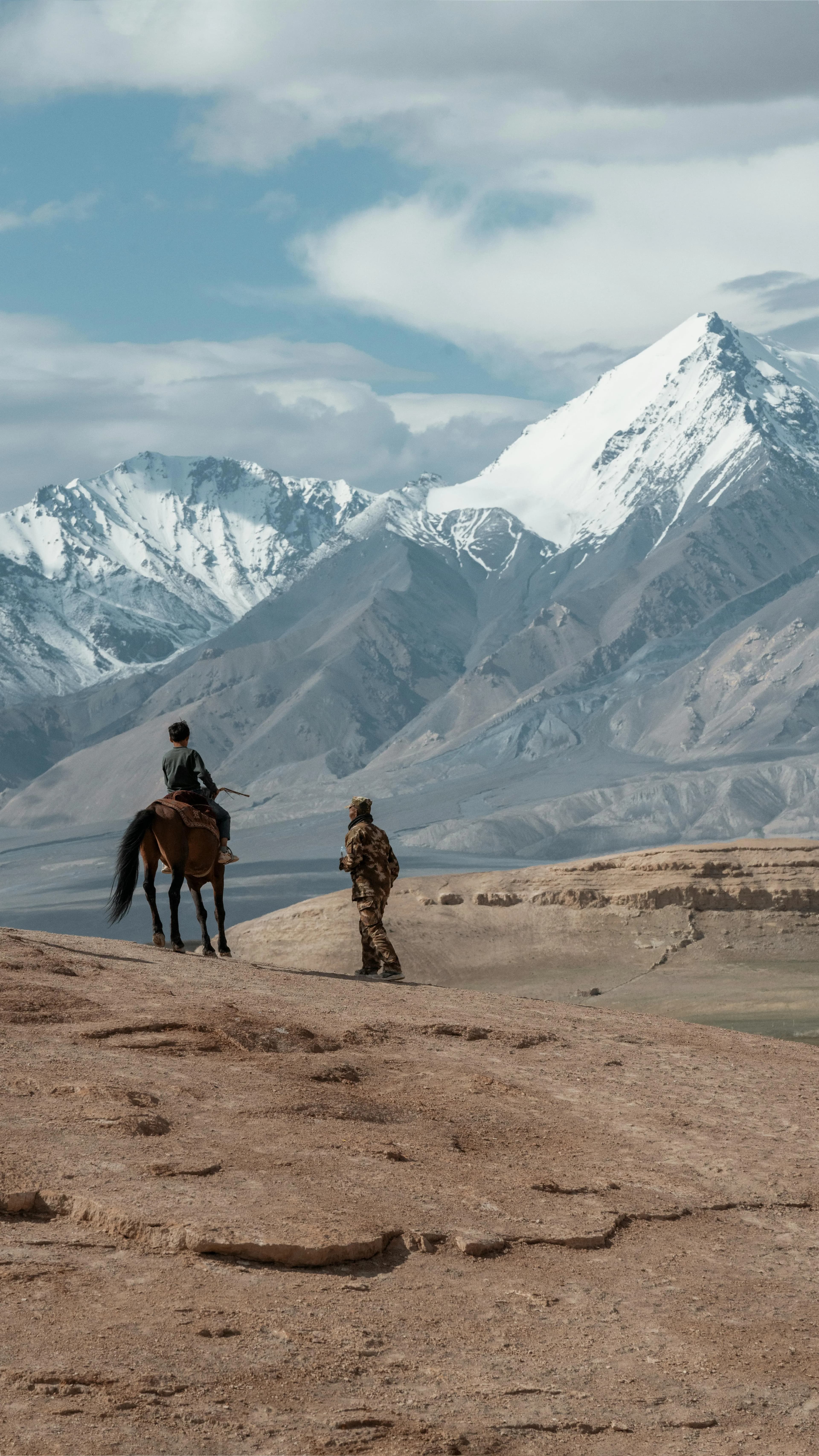
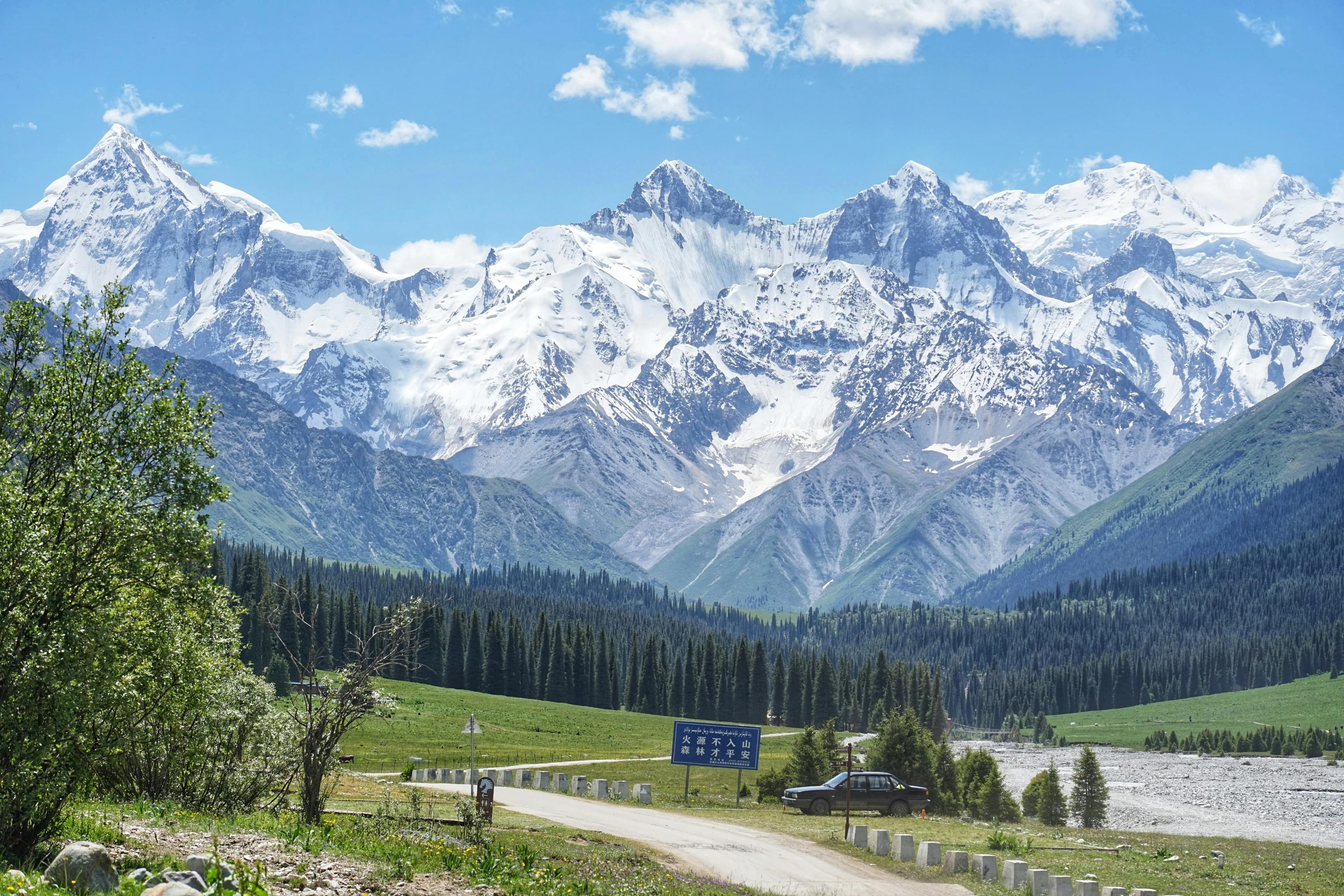
People who drove it once and came back describing it in dramatic terms, which is understandable because it is, in fact, dramatic — the second-highest international road in the world, 1,252 kilometres through Tajikistan, passes above 4,600 metres, no mobile signal for long stretches, yaks appearing in the middle of the road with the serene confidence of animals that know they have the right of way. All of that is true. But the dramatic descriptions miss the thing that actually matters most for planning, which is this: the road is rough, not dangerous. There's a difference, and conflating them leads people to either overestimate the physical difficulty or underestimate the logistical preparation. Let me separate the two. ** **The road. Large sections of the Pamir Highway are unpaved, which means the ride is uncomfortable in the way that long drives on mountain gravel roads are uncomfortable — slow progress, potholes, the occasional stream crossing where the bridge is narrower than you'd like. What the road is not is the cliff-edge death trap that some travel writing implies. Thousands of people drive it every year, including Tajik families in standard vehicles doing ordinary journeys. You need a reliable 4WD and a driver who knows the route. You don't need special courage or previous expedition experience. ** **The altitude. This is the real variable that most articles underemphasise. At the highest passes — Ak-Baital tops out at 4,655 metres — the air is thin enough that some people feel genuinely unwell. Headache, nausea, fatigue, loss of appetite. How your body responds depends on the person and you can't fully predict it in advance. The practical response is to ascend gradually, drink significantly more water than usual, eat light, and don't push to higher elevation if you're feeling bad. Most people have mild symptoms for a day and then adjust. Some feel nothing. A small number feel genuinely awful and need to descend. Have a plan for that possibility before you start, not when you're already at 4,500 metres and your driver is looking at you waiting for a decision. ** **The window. The highway is only fully open from June to October, with July and August being the most reliably good conditions — road clear, weather stable, the sky that extraordinary shade of high-altitude blue that you can't quite describe to people who haven't seen it. September works but the weather becomes more unpredictable and some guesthouses along the route close. Don't try to push this into May expecting to beat the crowds. You might beat the crowds because the road isn't open yet. ** **The guesthouses. Accommodation along the route ranges from simple homestays — mattress on the floor in a room shared with other travellers, eat what the family eats, about $15 including dinner and breakfast — to more formal guesthouses with private rooms in the larger towns. Book in advance for the popular stops like Murghab, because there's genuinely limited capacity and no alternative if you arrive without a reservation. Murghab itself is worth knowing about: a remote Soviet-era town on a high plateau at 3,600 metres, surrounded by brown mountains, with a bazaar that sells car parts and Chinese snacks and hand-knitted socks in the same stall. Stop there for the night. **The **** **GBAO permit. This is the permit for the Gorno-Badakhshan Autonomous Oblast, which covers the Pamir region, and you need it or you'll be turned around at a checkpoint well before you reach the interesting part. It comes as part of your Tajik e-visa if you tick the GBAO box when you apply — costs about $10 extra, takes the same three days to process as the regular visa. Don't forget this step. We've heard from travellers who did. ** **The honest part. I've talked to a lot of people who've done this route, and when I ask what they actually remember most, almost none of them mention a specific pass or a famous viewpoint. What they mention is the moment the driver pulled over for no obvious reason and pointed at the valley below and said nothing. Or the night at a homestay where nobody shared a language but dinner happened anyway and it was the best meal of the trip. Or the afternoon the road ran alongside a river through a valley so wide and empty that sound seemed to stop working the way it normally does. That's the Pamir Highway. If you want to do it as part of a longer Tajikistan or multi-country trip, we can arrange the route with a driver who knows the road, guesthouse bookings along the way, and the permit sorted before you travel. Message us and we'll tell you what makes sense for your timeline.