Behind the Steam: Heat, Water and Work in Central Asian Bathhouses
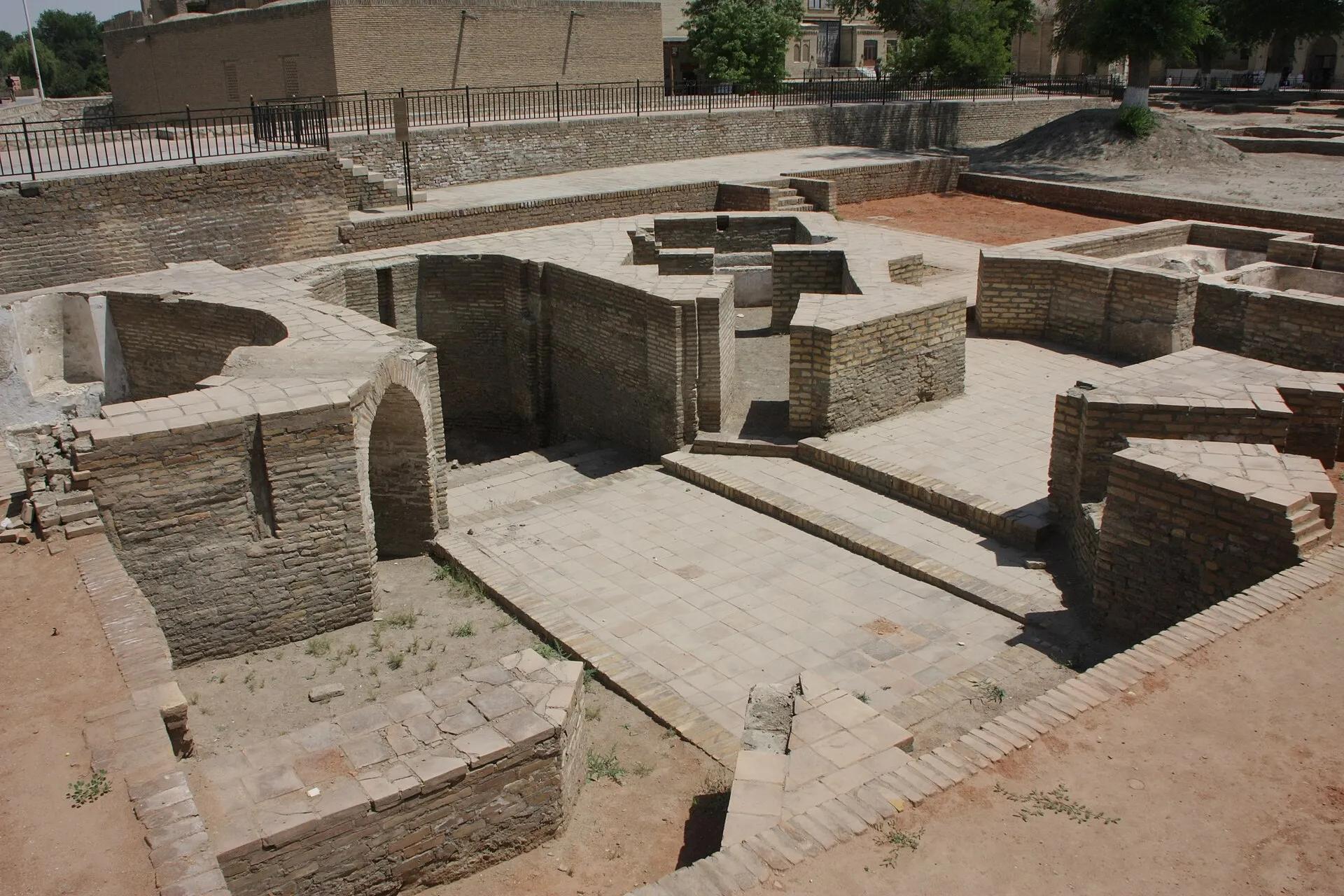
A historic bathhouse can feel like a building designed around a single sensation: warmth. Yet the steam is only the visible part of a much larger operation. Someone had to heat the water, maintain the building and keep the rooms usable. In Bukhara, looking for that hidden work makes a hammam far more interesting than a picturesque spa stop.
1. Warm masonry was not a source of free heat
Brick and stone can absorb heat and release it gradually. This thermal mass helps explain why a bath feels different from a lightly built room, but the masonry does not create energy. A heated bath still needs an energy supply. Historic hammams across the wider Islamic world used furnace-based systems, sometimes carrying hot gases beneath floors. A thermodynamic study of a historic bath in Granada examines how circulation and door openings affect conditions. It offers a useful comparison, not proof that every Central Asian bath had the same layout or performance.
2. Follow the water, not just the visitor route
A bath required more than a hot room: water had to arrive, be heated, reach the bathers and leave the building. When looking at excavated remains, ask your guide which features are identified as channels, tanks or heating installations. A shallow trench should not automatically become an ancient pipe in the telling. The cover photograph shows excavated bath remains in Bukhara, not an operating interior. Such sites expose the practical side of architecture that decorative facades often conceal. Repairs and later alterations also matter: the system visible today may not belong to one construction phase.
3. Was this really medieval eco-engineering?
The useful question is how builders and operators managed scarce resources, not whether an old building was automatically sustainable. Heat retention, fuel demand, water use and maintenance must be considered together. Without measurements, claims of zero waste or exceptional efficiency are speculation. Bukhara's official tourism itinerary includes its old hammam among the historic city's experiences. A working bath can complement an architectural walk, but present-day services should not be mistaken for an unchanged medieval routine.
Travel Tip
Ask whether an appointment offers bathing, architectural interpretation or both. Confirm current access arrangements before planning around a particular bath.
- When: On a Bukhara stay with room for an unhurried appointment.
- Where: Historic Bukhara; technical comparisons extend across the region.
- The Vibe: Everyday infrastructure behind an atmospheric experience.
Add a bathhouse stop to an Uzbekistan tour, ask Minzifa Travel about arrangements, or learn about our team.
Cover photo: Excavated bath remains in Bukhara.
Comments
Leave a comment
No comments yet. Be the first to share your thoughts!