Chashma’s Sacred Spring: Legends, Pilgrimage and a Journey to Nurata
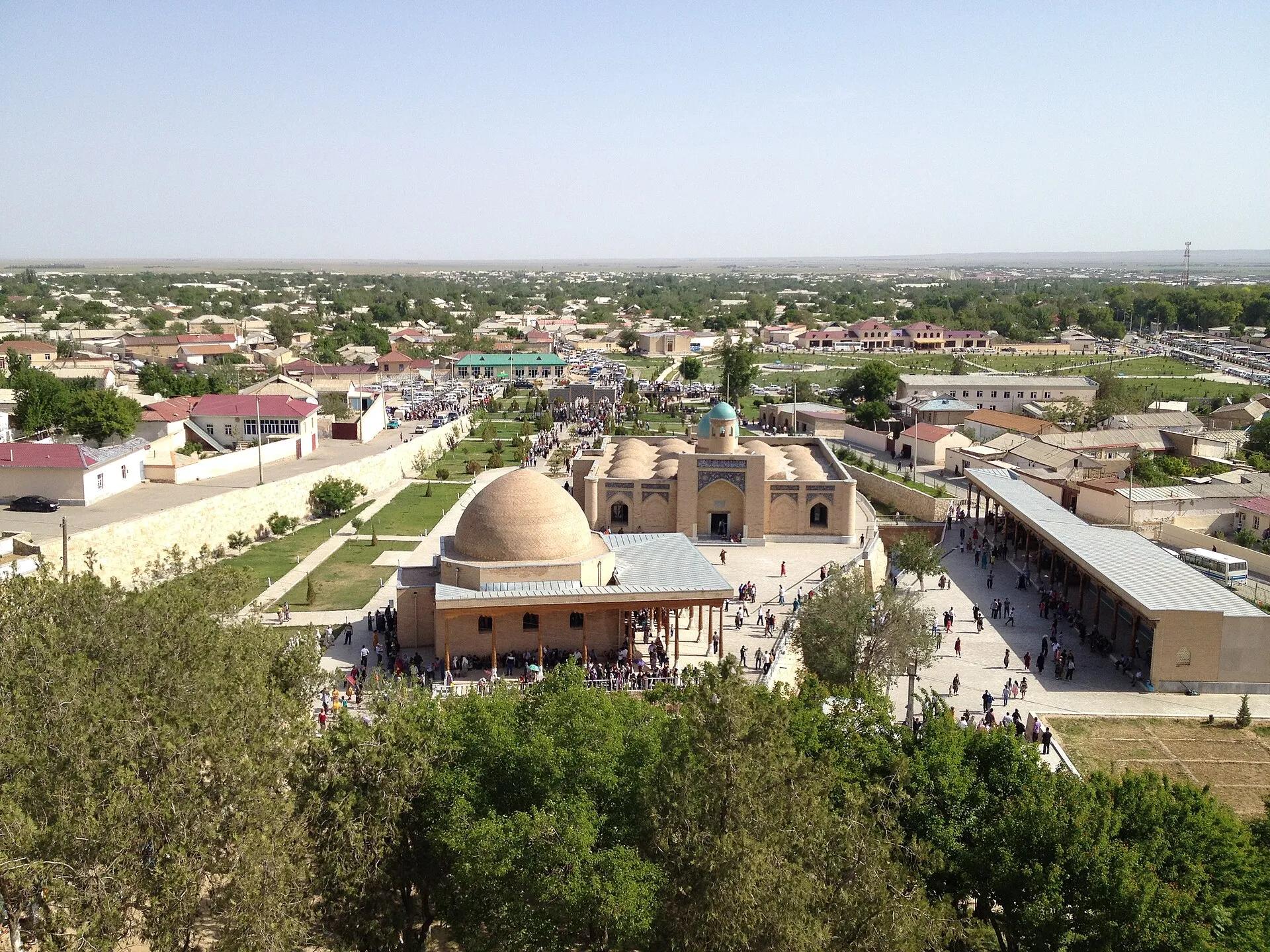
At Chashma, water is not merely a landscape feature. It is part of a place where people come to pray, gather and connect with stories handed down over generations. Before planning a visit, however, get the map right: the well-known Chashma complex is in Nurata, in Uzbekistan's Navoi region, not in the Fergana Valley.
1. One name does not identify one spring
Chashma means spring, and the word appears in more than one place name. A reference to a sacred source without a town or map location can therefore send a traveller toward the wrong part of the country. The official Uzbekistan tourism description locates this complex in the heart of Nurata. It should be planned as a Nurata visit, not slipped into a Fergana craft itinerary as though the two were neighboring stops. Confirm the exact destination when discussing any spring-based excursion.
2. Listen to the legends as legends
Sacred springs often gather accounts of extraordinary origins and healing qualities. Such traditions reveal how a community understands a place, but they are not archaeological proof or clinical evidence. Chashma's reputation deserves respectful explanation without turning devotion into a medical promise. Ask your guide who tells a particular story and whether different versions circulate. The answer may be more interesting than a polished claim that everyone has always believed exactly the same thing. A living pilgrimage place can hold personal memories as well as widely repeated narratives.
3. Leave room for the people using the site
The Visit Silk Road description presents Chashma as a place of pilgrimage. Visitors should approach prayer areas accordingly: dress modestly, follow posted rules and avoid blocking access while taking photographs. A wide view can help connect the complex to the town around it. The photograph above is a panorama of Nurata and the Chashma area, not a close-up of the spring itself. On the ground, take time to notice how worship, movement and everyday town life share the setting.
Travel Tip
Do not assume that sacred water is safe to drink. Use a reliable drinking-water supply and follow site rules; taking water or entering restricted spaces is not an essential part of appreciating the visit.
- When: With enough time to observe quietly rather than rush through.
- Where: Nurata, Navoi region, Uzbekistan.
- The Vibe: A living sacred place, not a wellness attraction with guaranteed results.
Ask Minzifa Travel how Nurata fits into a wider Uzbekistan route, and read about our approach.
Cover photo: Panoramic view of Nurata and the Chashma area.
Comments
Leave a comment
No comments yet. Be the first to share your thoughts!