After the Observatory Fell Silent: The Journey of Ulugh Beg’s Star Tables
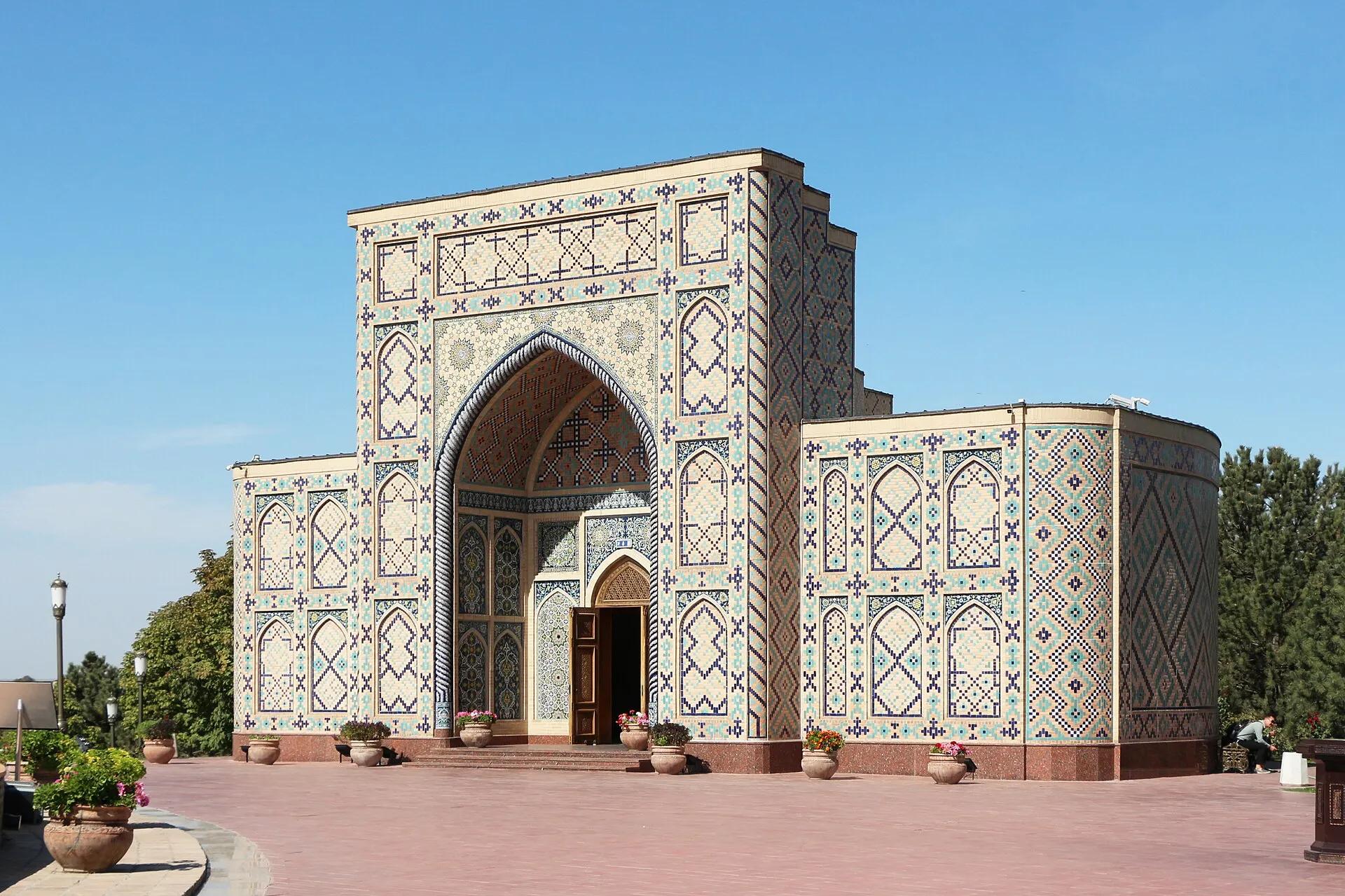
The surviving instrument at Ulugh Beg's observatory is impressive, but the building was only one part of its achievement. Measurements had to become numbers that someone else could read, compare and use. That second life of the observations explains why Samarkand's astronomy did not disappear when the observatory ceased operating.
1. A measurement was the beginning of the work
In the fifteenth century, Ulugh Beg supported a community of astronomers and mathematicians in Samarkand. Their instruments belonged to the era before telescopic astronomy. Observing the sky involved measuring angles, recording results and carrying out calculations, not looking through a modern optical telescope. When visiting the site, separate three things: the surviving archaeological structure, explanatory reconstructions and the modern museum. Each helps tell the story, but they are not interchangeable. The cover photograph shows the museum building, not an intact fifteenth-century observatory.
2. Tables made observations portable
A zij is an astronomical handbook containing tables and explanatory material. Such a work could carry calculations far beyond the place where observations were made. Copying and commentary gave the numbers new readers, even when the original instruments were no longer available. Oxford's record for manuscript Marsh 396 identifies Ulugh Beg's zij alongside a commentary by Ali Qushji. The pairing is a useful reminder that knowledge was not simply preserved untouched: scholars also explained and interpreted it. A manuscript is therefore more than an attractive page of old writing. Its tables, annotations and arrangement can reveal how a reader approached a technical text.
3. Lost architecture does not mean lost knowledge
Later scholars continued to engage with Ulugh Beg's work. Oxford's History of Science Museum catalogue records an 1843 publication comparing star catalogues, including his. This is a different kind of survival from a standing building, but an important one. At the museum, look for explanations connecting the instrument to the written results. Ask how an angular observation became a table entry and which parts required calculation. These questions turn a short photo stop into a visit about scientific practice.
Travel Tip
Request a guide comfortable explaining the diagrams, not only the ruler's biography. A clear account of one measurement is more memorable than a list of impressive numbers.
- When: During a dedicated Samarkand history day.
- Where: Ulugh Beg Observatory and its museum.
- The Vibe: Following an idea from a building into a book.
Plan a Samarkand journey, ask about a science-focused visit, or read about Minzifa Travel.
Cover photo: The modern museum at Ulugh Beg Observatory, Samarkand.
Comments
Leave a comment
No comments yet. Be the first to share your thoughts!