Why Slow Travel Creates Deeper Cultural Experiences
Slow travel is not simply about spending more days in one place. It is about giving yourself enough time to notice what would otherwise pass you by. A conversation in a market. A second cup of tea. An evening walk after the tour has finished. Returning to the same café and being recognized by the person who served you yesterday. These moments rarely appear as bullet points on an itinerary. Yet they are often the moments travelers remember most.
You Stop Seeing a Destination as a Checklist
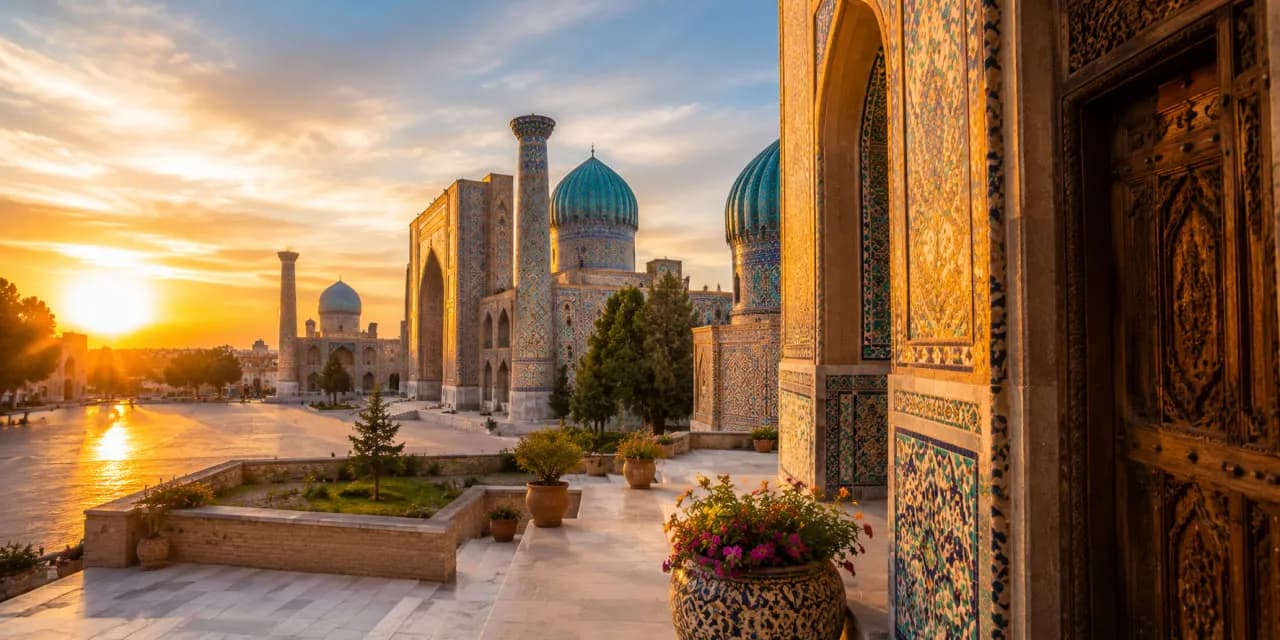
Fast travel encourages a certain rhythm: arrive, photograph, visit, leave. Slow travel changes the question from “What else can I fit in?” to “What am I actually experiencing here?” Take Samarkand. The Registan deserves to be seen, of course. But seeing Samarkand only through its famous monuments means missing much of what gives the city its character. With more time, you can return to the Registan when the light changes, walk through Siyob Bazaar without watching the clock, taste local bread, talk with a guide about family traditions and notice how everyday life continues beside centuries-old architecture. The monument remains the same. Your relationship with the place changes.
Culture Often Reveals Itself Between the Attractions
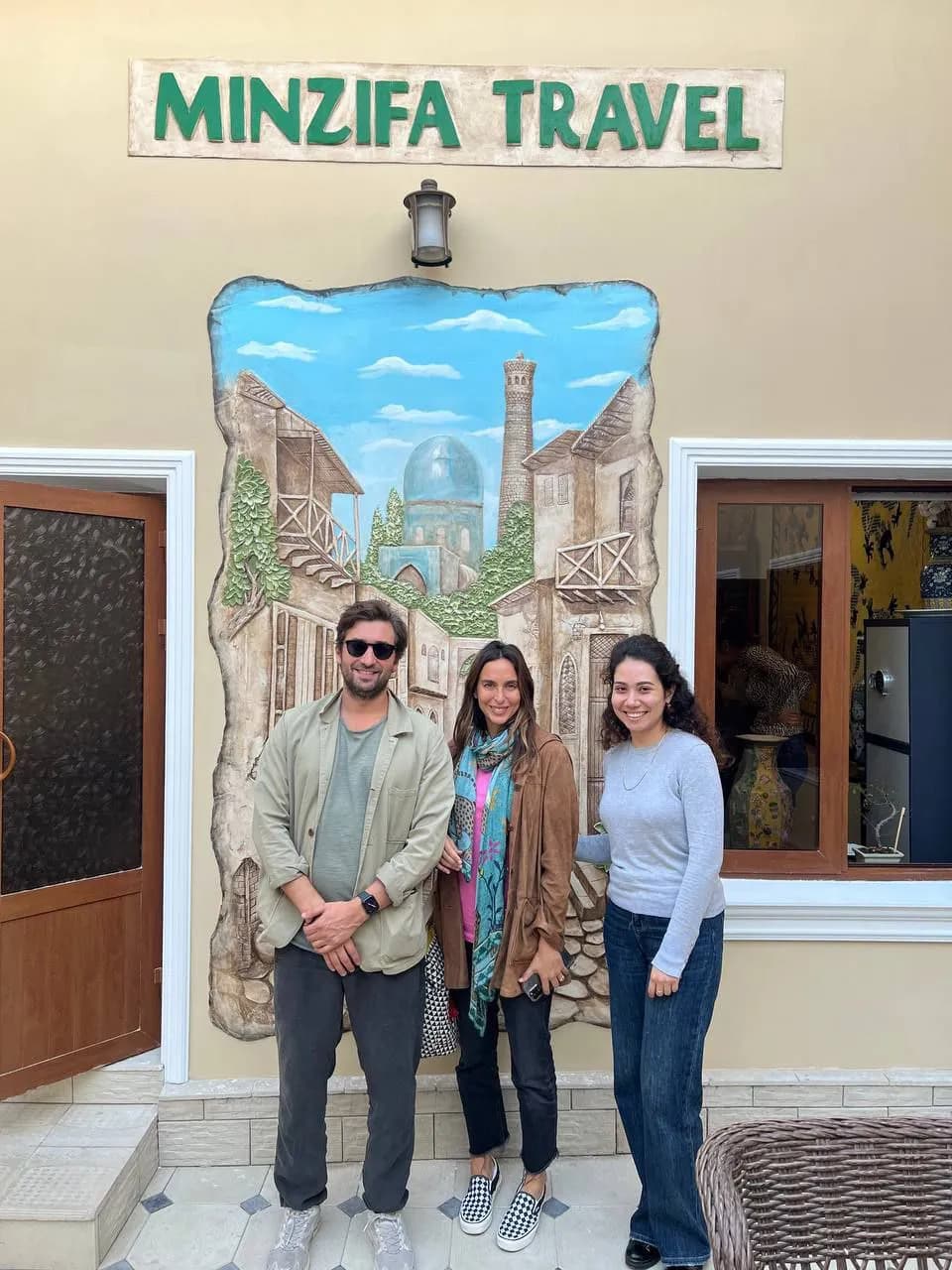
Travel guides naturally focus on major sights. Culture often happens somewhere else. It is in the way tea is poured. The way bread is treated at the table. The conversation between an artisan and a customer. The rhythm of a neighborhood in the evening. The preparations for a family celebration. These details become easier to notice when there is space in the schedule. Minzifa Travel's From Urban to Rural Uzbekistan journey is built around this contrast, combining Uzbekistan's major cities with rural life and more personal local experiences. (minzifatravel.com) That is the difference between simply seeing Uzbekistan and beginning to understand how people live there.
You Have Time for Conversations
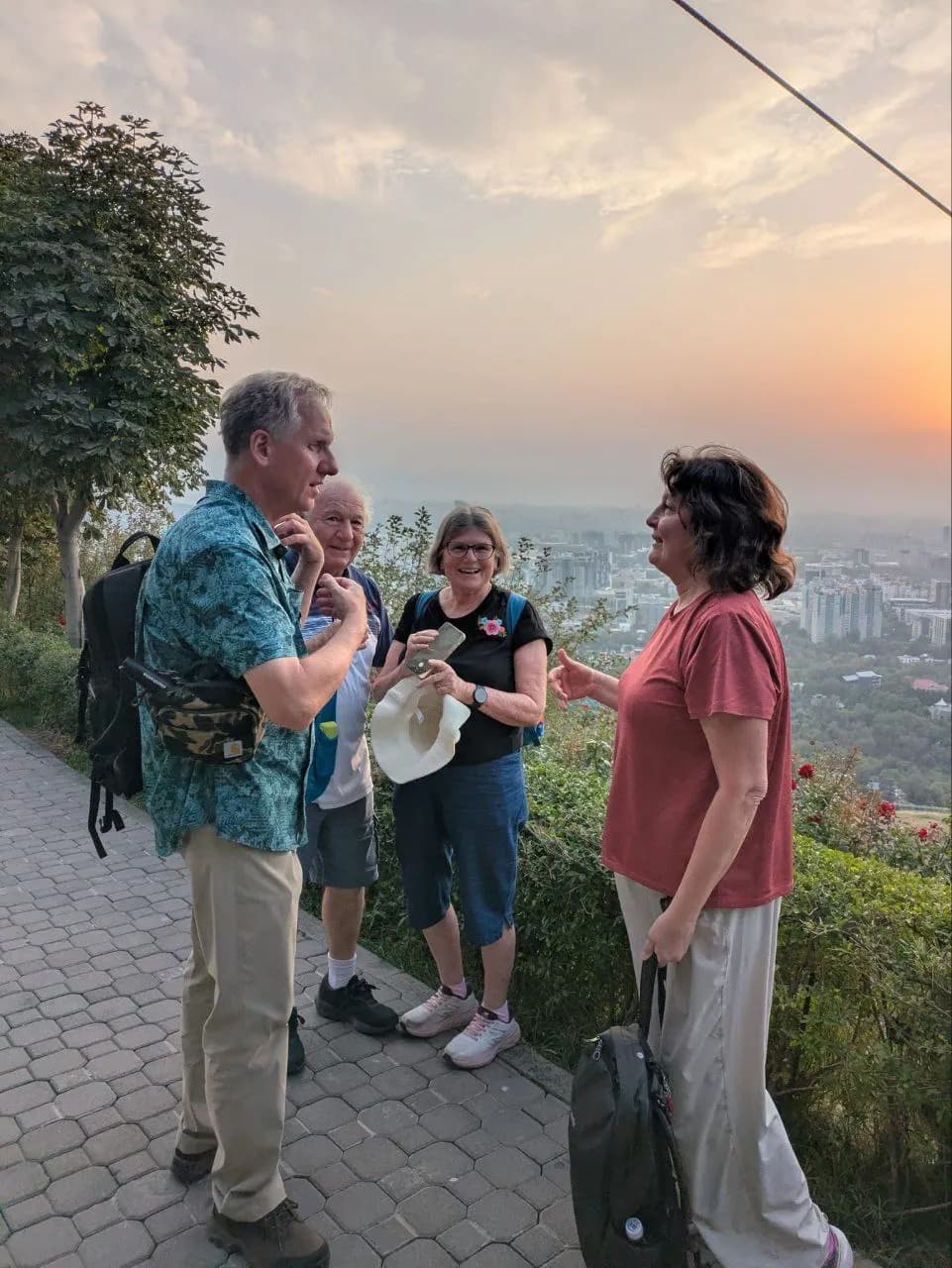
Meaningful cultural encounters are difficult to schedule down to the minute. Sometimes a quick stop becomes a long conversation. A craft demonstration leads to questions about a family's history. Tea turns into lunch. A guide starts explaining something that has nothing to do with the monument in front of you — and suddenly you learn more about modern Uzbekistan than you did during the previous hour of sightseeing. Slow travel gives those moments somewhere to go. When every day is packed tightly, curiosity becomes inconvenient. When an itinerary has breathing room, curiosity becomes part of the journey.
Food Becomes an Experience Rather Than a Meal Stop
Food tells you a great deal about a culture — but only if you give it time. In Uzbekistan, plov is more than something to order for lunch. Bread carries social meaning. Tea is tied to hospitality. Bazaars reveal seasonality, regional tastes and the way people shop. A slower itinerary allows you to move beyond simply tasting local cuisine. You can watch how it is prepared, visit a market, ask why one region cooks a dish differently from another or sit long enough at a table for the meal to become a conversation. Minzifa Travel's Ancient Cities of the Silk Road tour spends multiple days in places such as Samarkand and Bukhara rather than treating each city as a quick photo stop, allowing more time for historic neighborhoods, bazaars and local traditions alongside the major monuments. (minzifatravel.com)
You Notice the Differences Between Places
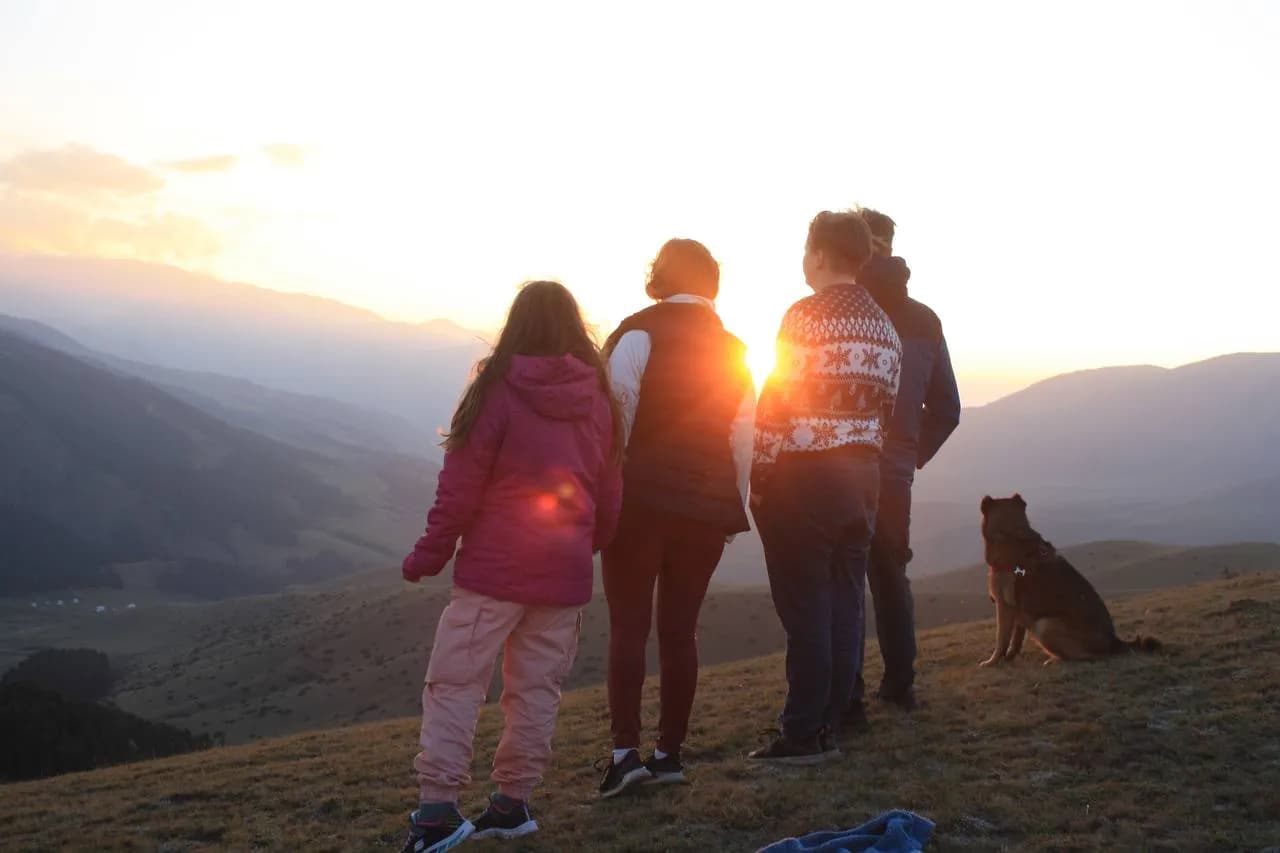
Slow travel also makes comparison more meaningful. If you move quickly through Central Asia, Samarkand, Bukhara, Bishkek, Almaty and Dushanbe can become a sequence of hotel rooms and sightseeing days. Spend more time, and their personalities begin to emerge. You notice how the architecture changes. How the food changes. How people interact. How mountain culture in Kyrgyzstan feels different from Silk Road city life in Uzbekistan. How an Uzbek mahalla differs from a nomadic cultural experience beside Issyk-Kul. That is one reason longer regional trips can be so rewarding. Minzifa Travel's 25-Day Five Stans Silk Road Expedition includes multiple days in several regions rather than simply crossing Kazakhstan, Kyrgyzstan, Tajikistan, Uzbekistan and Turkmenistan as quickly as possible. The current itinerary includes two full days in Samarkand and two in Bukhara, alongside mountain, desert and yurt experiences elsewhere in Central Asia. (minzifatravel.com) The additional time is not just about seeing more. It is about understanding the transitions between places.
Familiarity Changes the Way You Travel
There is a small but important moment that often happens after spending several days somewhere. The place begins to feel less foreign. You recognize the road back to your hotel. You know which bakery smells good in the morning. You stop staring at the map every few minutes. Perhaps someone in a café recognizes you. This familiarity may sound insignificant, but it changes the experience. For a moment, you stop feeling like someone passing through. You begin to participate, however briefly, in the rhythm of the place. That feeling almost never comes from rushing.
Slow Travel Does Not Mean Doing Nothing
There is a misconception that slow travel means spending weeks sitting in cafés. It does not. You can still explore several cities — or even several countries. The difference is how the itinerary is designed. A slow-travel approach might mean:
- two nights instead of one;
- fewer early departures;
- time for local markets and neighborhoods;
- longer meals;
- free time without a scheduled attraction;
- fewer hotel changes;
- opportunities to meet artisans or local families;
- enough time to revisit a place you particularly loved.
Sometimes the best change to an itinerary is not adding something. It is removing something so everything else becomes more enjoyable.
Longer Is Not Automatically Deeper
A 25-day trip can still feel rushed if it tries to cover too much. A 10-day journey can feel wonderfully immersive if the route is focused. Slow travel is ultimately about intentional pacing, not a specific number of days. Uzbekistan is particularly well suited to this style because cities such as Samarkand, Bukhara and Khiva reward unstructured time. Minzifa Travel also highlights November, for example, as a quieter period particularly suited to relaxed travel and cultural immersion. (minzifatravel.com) The key is leaving enough space for a destination to become more than its list of attractions.
Why Slow Travel Creates Stronger Memories
Years after a journey, you may not remember exactly which monument you visited on Day 6. But you may remember the elderly artisan who insisted on showing you one more piece of work. You may remember the taste of bread straight from the tandir. The sound of a quiet Bukhara street in the evening. The person you met over tea. The conversation you had with your partner while walking back through Samarkand after dinner. Slow travel creates more opportunities for those memories because it gives experiences time to develop. You are not constantly preparing to leave. You are actually present.
Travel Less. Experience More.
There will always be another monument you could add. Another city. Another day trip. Another country. But the purpose of cultural travel is not to return home having seen the maximum possible number of things. It is to return with a deeper understanding of the places you did see. Sometimes that means staying for another night. Taking the longer lunch. Walking instead of immediately getting into the car. Returning to somewhere you loved yesterday. Or simply leaving an afternoon unplanned. Because the deeper you want to experience a culture, the more valuable time becomes.
Explore Central Asia at a More Meaningful Pace
For travelers who want history without rushing from city to city, explore the Ancient Cities of the Silk Road tour. If local life matters as much as famous monuments, discover From Urban to Rural Uzbekistan. And for a longer journey across the cultures and landscapes of Central Asia, see the 25-Day Five Stans Silk Road Expedition. Or create your own journey with Minzifa Travel and build an itinerary with more time for the people, places and experiences you do not want to rush. You do not always need to travel farther to experience more. Sometimes you simply need to stay longer.
Comments
Leave a comment
No comments yet. Be the first to share your thoughts!