Best Time to Visit Central Asia — The Real Answer
"Spring and autumn," which is correct but useless because it doesn't tell you which months actually matter, or why some months in that range are significantly better than others, or what happens if your schedule only allows July. So here's the version that actually helps you book. **
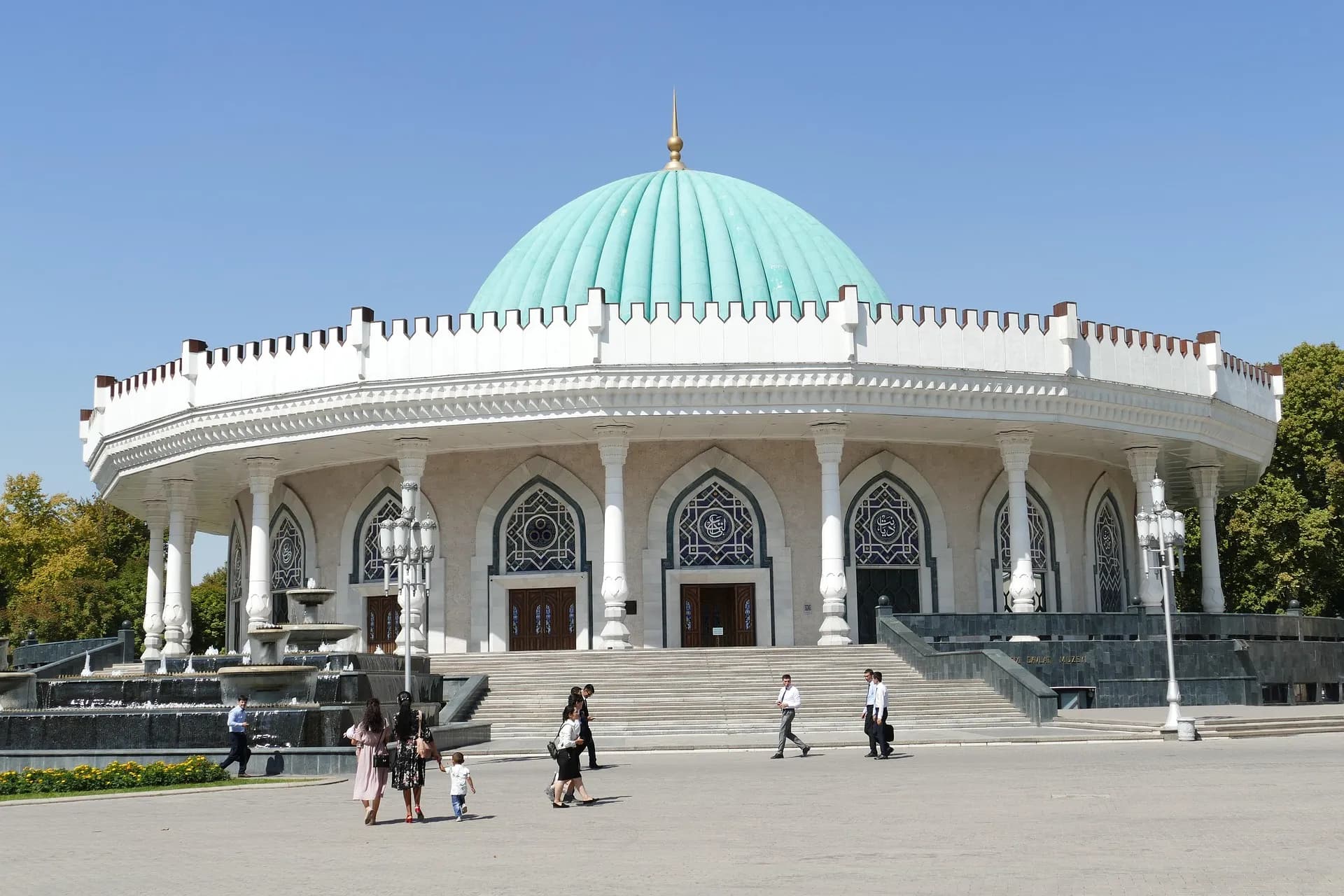
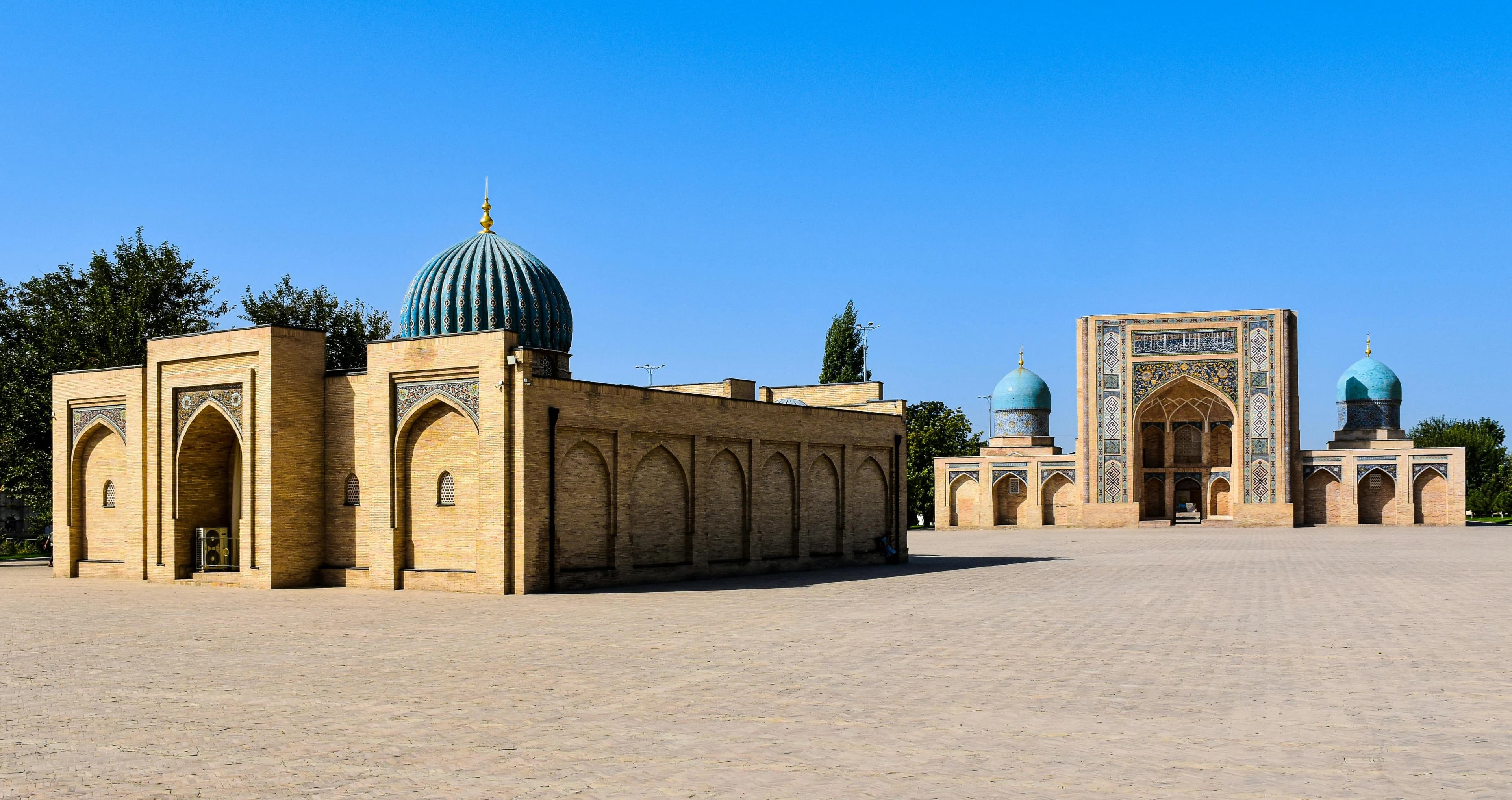
April and May: the peak window.** For Uzbekistan specifically this is the golden stretch. The desert is surprisingly green, wild tulips bloom in the hills above Samarkand, and the temperature during the day is around 20 to 25°C with cool evenings — the kind of weather where you can walk for six hours and still want to go out after dinner. The blue tilework of Samarkand and Bukhara photographs best in April because the sky turns that particular shade of deep blue that makes everything look like a painting. The catch is that everyone knows this, so hotels fill up and the Afrosiyob bullet train sells out weeks in advance. If you're planning a spring trip, book earlier than you think you need to. Three months ahead is not excessive and in peak years it's barely enough. ** ****September and **October: better than people realise.
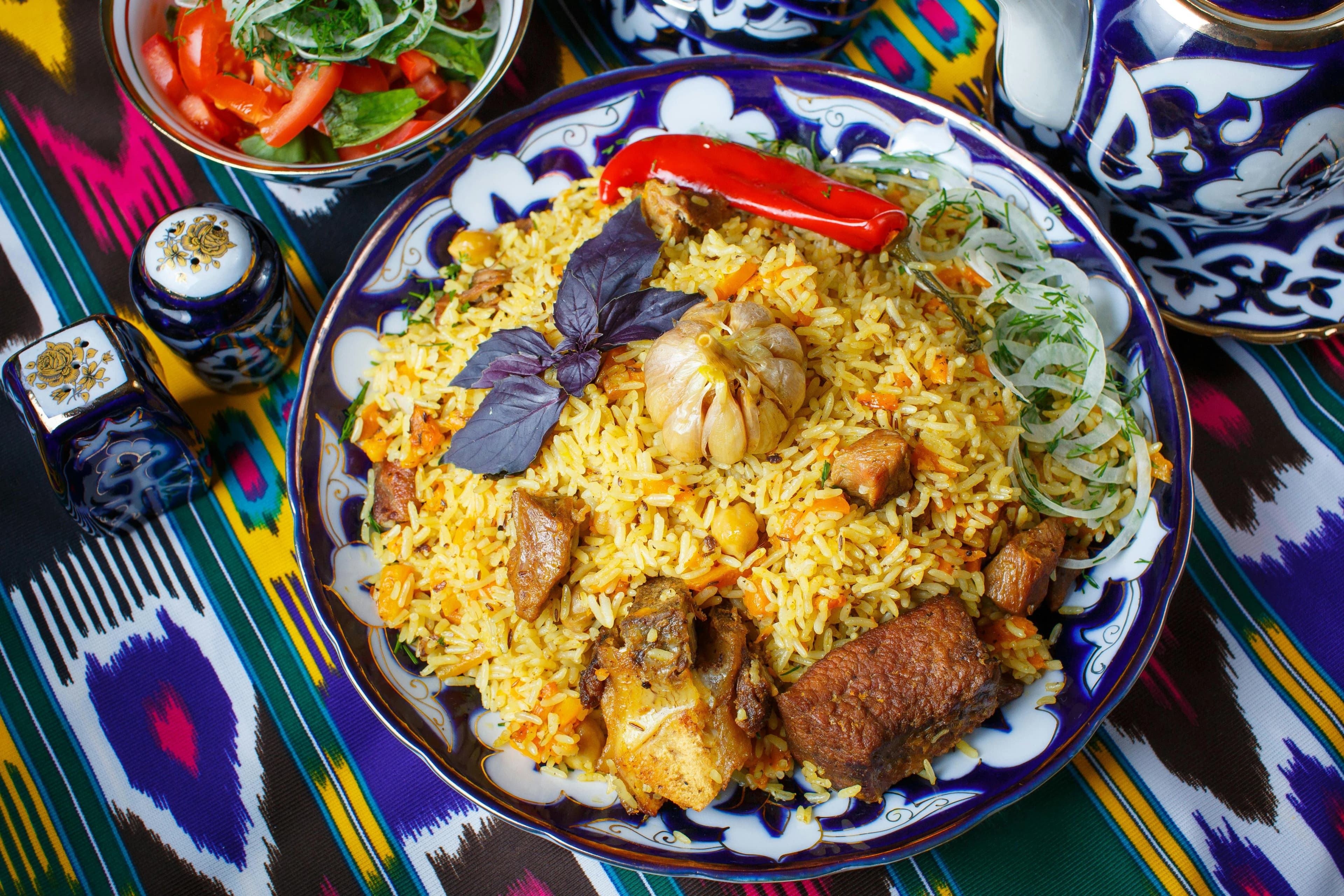
The summer heat breaks in September and the bazaars fill up with the best produce of the year — Uzbek melons in October are something you need to eat to understand, and the pomegranates and grapes are in. The light is warmer and heavier than spring, the crowds are thinner, and October is when locals actually enjoy being outside again after spending two months hiding from the heat. I think October is underrated, which is probably why it's still not overrun. ** **June: transitional.
Early June works, especially for Kyrgyzstan and Kazakhstan, which don't get as brutally hot as Uzbekistan in summer. If Uzbekistan is your main destination, June is already getting warm and by the end of the month you're starting to feel it. **
July and August: this requires honesty.** Bukhara in midsummer can hit 45°C, which is the kind of heat where the pavement reflects warmth back at you and walking from the hotel to the mosque at noon is genuinely unpleasant. Locals go indoors from noon to five and come back out at sunset. You can still have a good trip in July or August if you structure your days around the heat — sightsee early, rest through the afternoon, come back out at 6pm — and the upside is cheaper hotels and much lighter crowds at the major sites. But don't come in August expecting to wander all day. You'll last about two hours. For Kyrgyzstan and Kazakhstan in summer it's completely different.
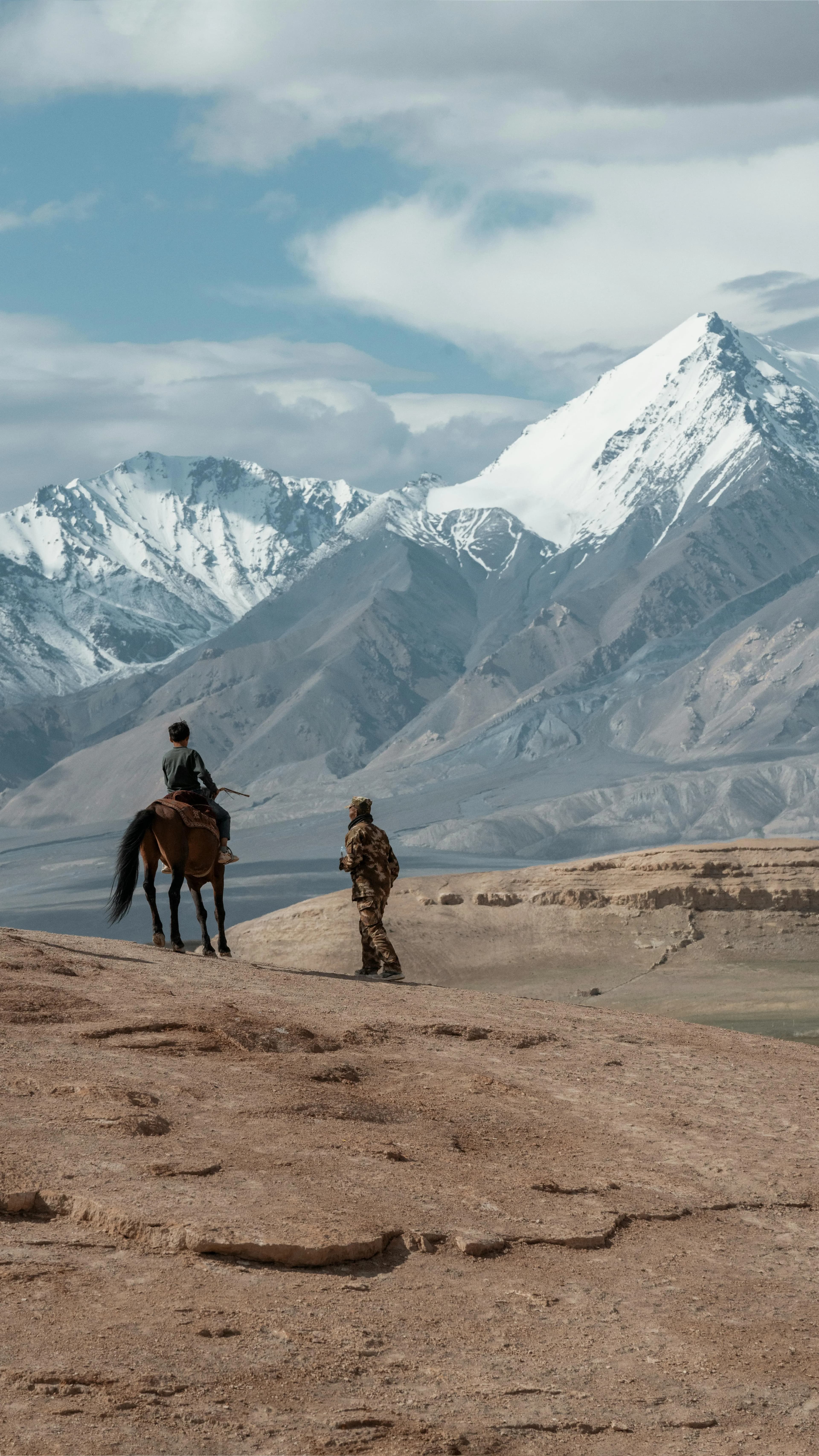
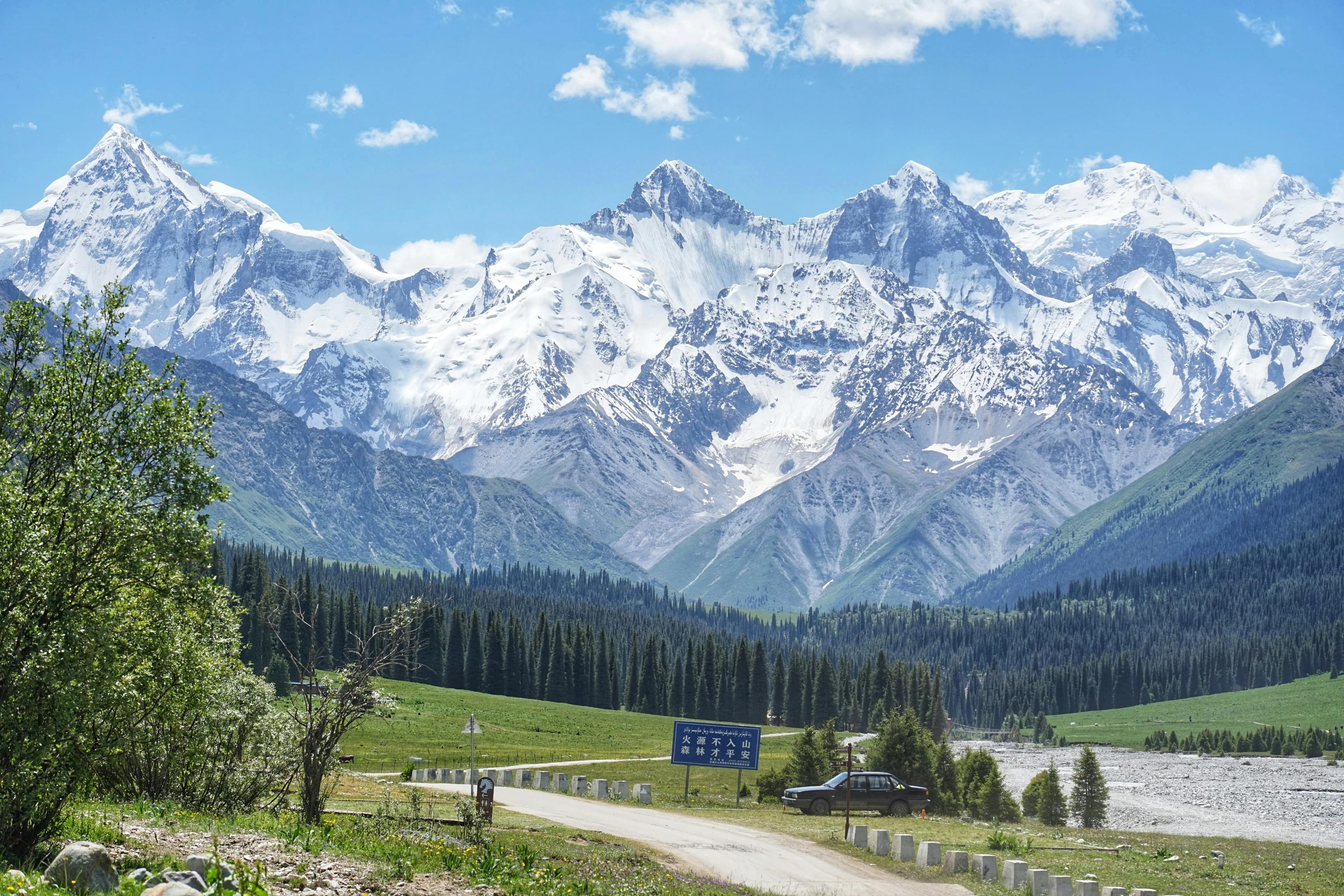
The mountains are at their most accessible, the lakes are warm enough to swim in, and trekking season is fully open. A July trip that combines Uzbekistan with Kyrgyzstan works well if you sequence it right — Uzbekistan in the cool early mornings, then escape to the mountains for the second half. ** **November through March: the quiet season. **** ****Most visitors skip it, but the monuments look completely different in winter light and occasional snow — Khiva with mud-brick walls and cold clear air is a different kind of beautiful from the summer version. Hotel prices drop significantly. The Amirsoy ski resort above Tashkent is open. If you can handle cold and shorter days, winter is genuinely underrated and the lack of crowds is extraordinary. ** **For Kyrgyzstan specifically, the window is tighter.
June to September is really the season because mountain roads and high passes are only reliably open during those months. Song Kul is accessible July through September. Go outside those months and you're limited to Bishkek and lower elevations. **
The short version.** Uzbekistan: April, May, September, October, in that preference order. Kyrgyzstan and Kazakhstan: June through September. For a trip combining both, September is the month that works for everything at once. And if the dates you want have the hotels sold out, message us before you give up — we sometimes have access to allocations that aren't showing online.