The Silk Road in 2 Weeks — A Route That Actually Works
When planning two weeks in Central Asia is trying to hit every country in the region, which means you spend half the trip in airports and buses and the other half too tired to really see what you came for. You land in Tashkent, rush to Samarkand, rush to Bukhara, fly to Bishkek, fly to Almaty, fly home — and you've technically been to five countries and experienced none of them.
Two weeks is enough to do this well, but only if you accept that doing it well means leaving things out. The route below covers Uzbekistan, Kyrgyzstan, and one night in Almaty as a transit city. Three countries, four major stops, one mountain experience, and enough breathing room between cities that you actually arrive somewhere instead of passing through. **
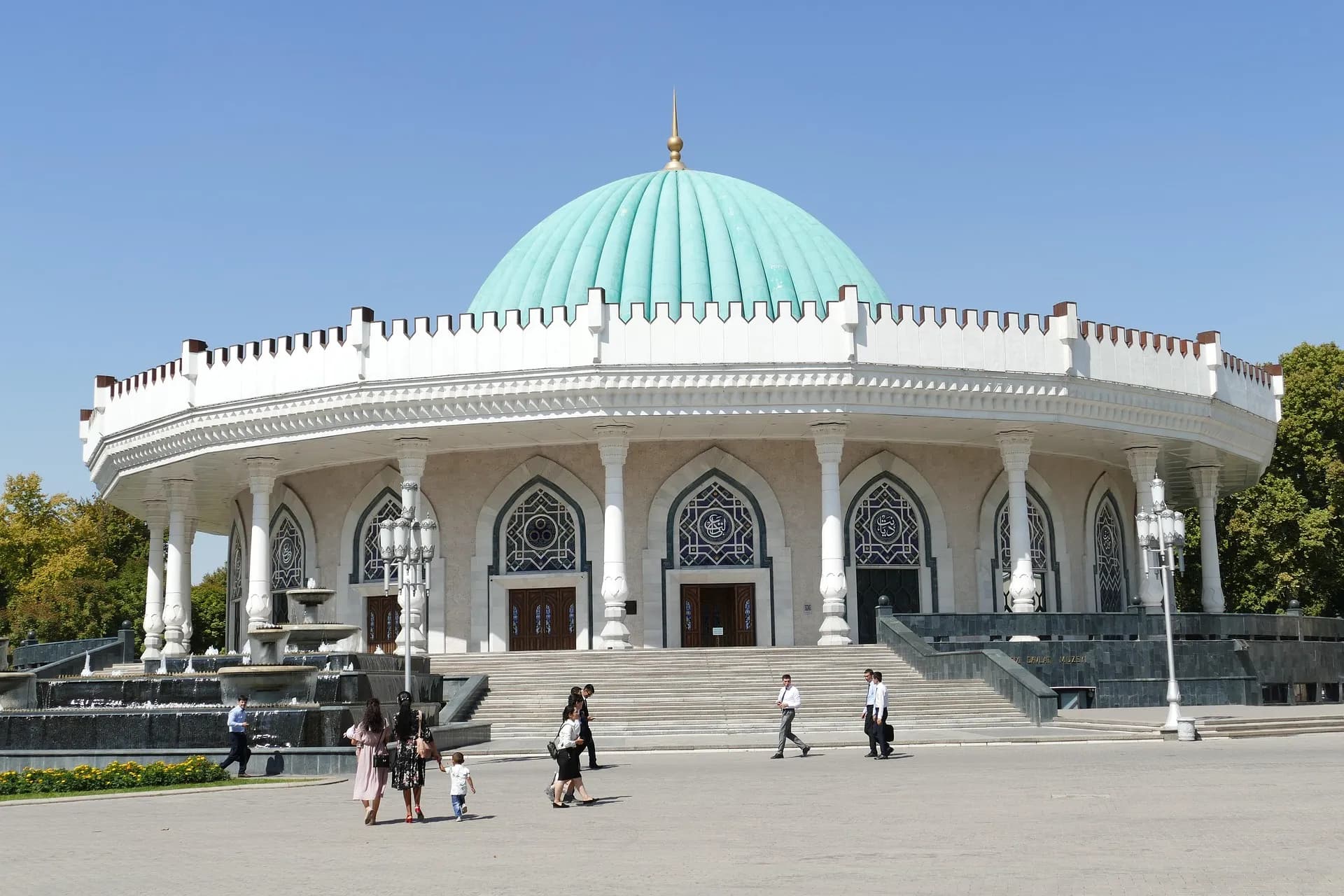
Days 1–2: Tashkent** Most people treat Tashkent as a layover and I understand why — it doesn't have the visual drama of Samarkand or Bukhara. But it's an interesting place to ease into the country, and arriving and immediately taking a two-hour train somewhere else means you land confused and jet-lagged in a city you don't know. Give Tashkent one full day. Ride the metro end to end just for the architecture — each station was decorated in a different Soviet-era style, mosaics and chandeliers and marble, and the whole network is genuinely beautiful in a strange way.
The Chorsu Bazaar is a 16th-century covered trading dome where locals buy spices, fabric, and dried fruit, and the energy in there is completely different from anything in the tourist-facing parts of the city.
**
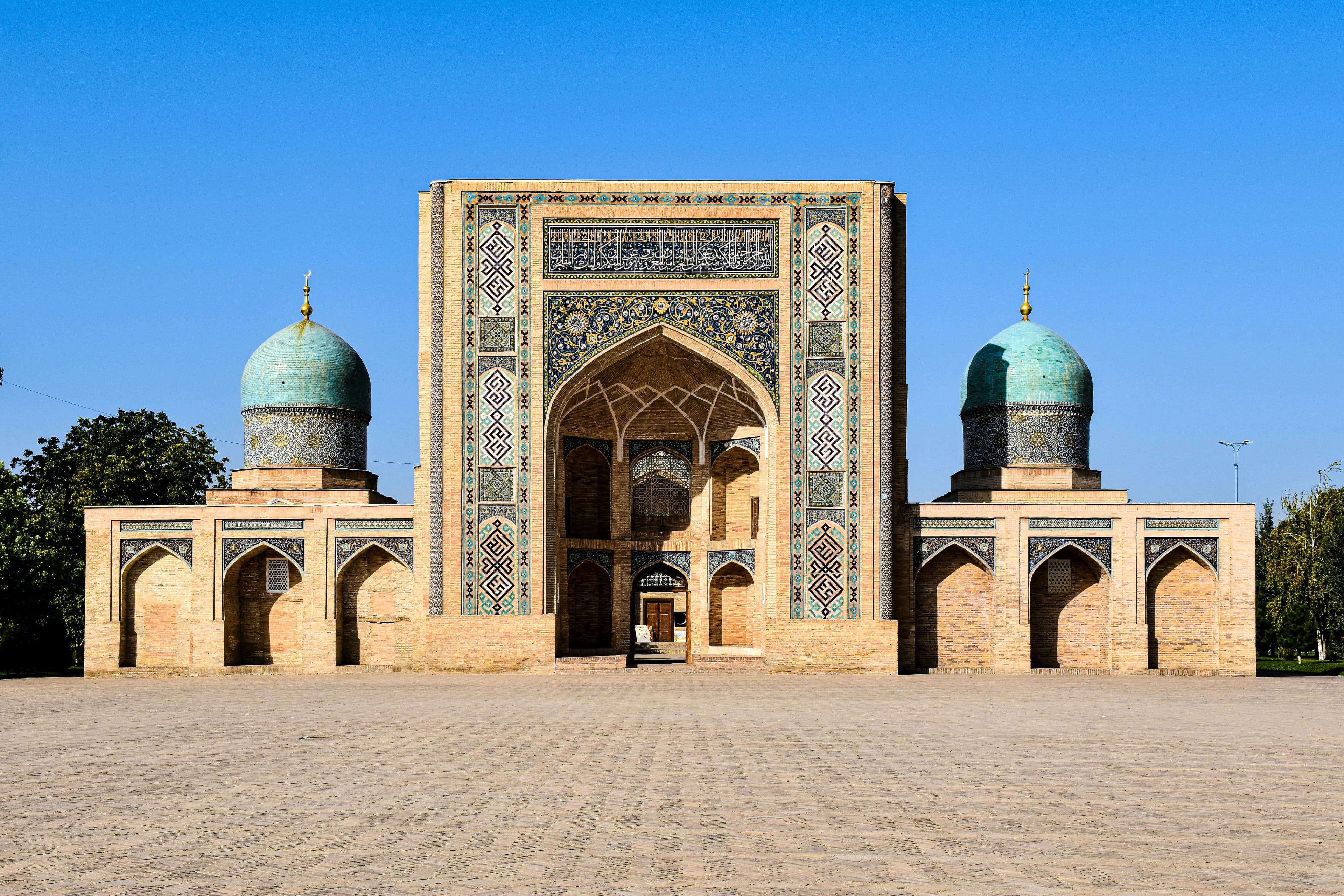
Days 3–4: Samarkand** Two hours on the Afrosiyob bullet train. The Registan at sunset on day one, Shah-i-Zinda and Gur-e-Amir on day two. Eat near the Siab bazaar, not the tourist restaurants. Don't try to see everything — the two days go fast and the things worth seeing deserve actual time.
**
Days 5–7: Bukhara** Ninety minutes by train from Samarkand. Three nights instead of two, because Bukhara rewards the people who aren't rushing. The old city is compact enough to walk everywhere and complex enough that you're still finding new corners on day three.
Day trips to the Gijduvan ceramics workshops are worth a half-day. One evening, go out without a plan and see where you end up — that usually produces the stories people tell when they get home.
Days 8–9: Khiva** Six hours by car from Bukhara or a short domestic flight. Khiva is the most intact of the Silk Road cities — the entire walled inner city is a UNESCO site, and you can walk the outer wall, see the Kalta Minor minaret (the wide short one that was supposed to be the world's tallest until the khan who commissioned it died mid-construction), and cover almost everything in one long day. Two nights gives you time to eat on the rooftop restaurant overlooking the walled city at sunset, which is worth the evening.
**
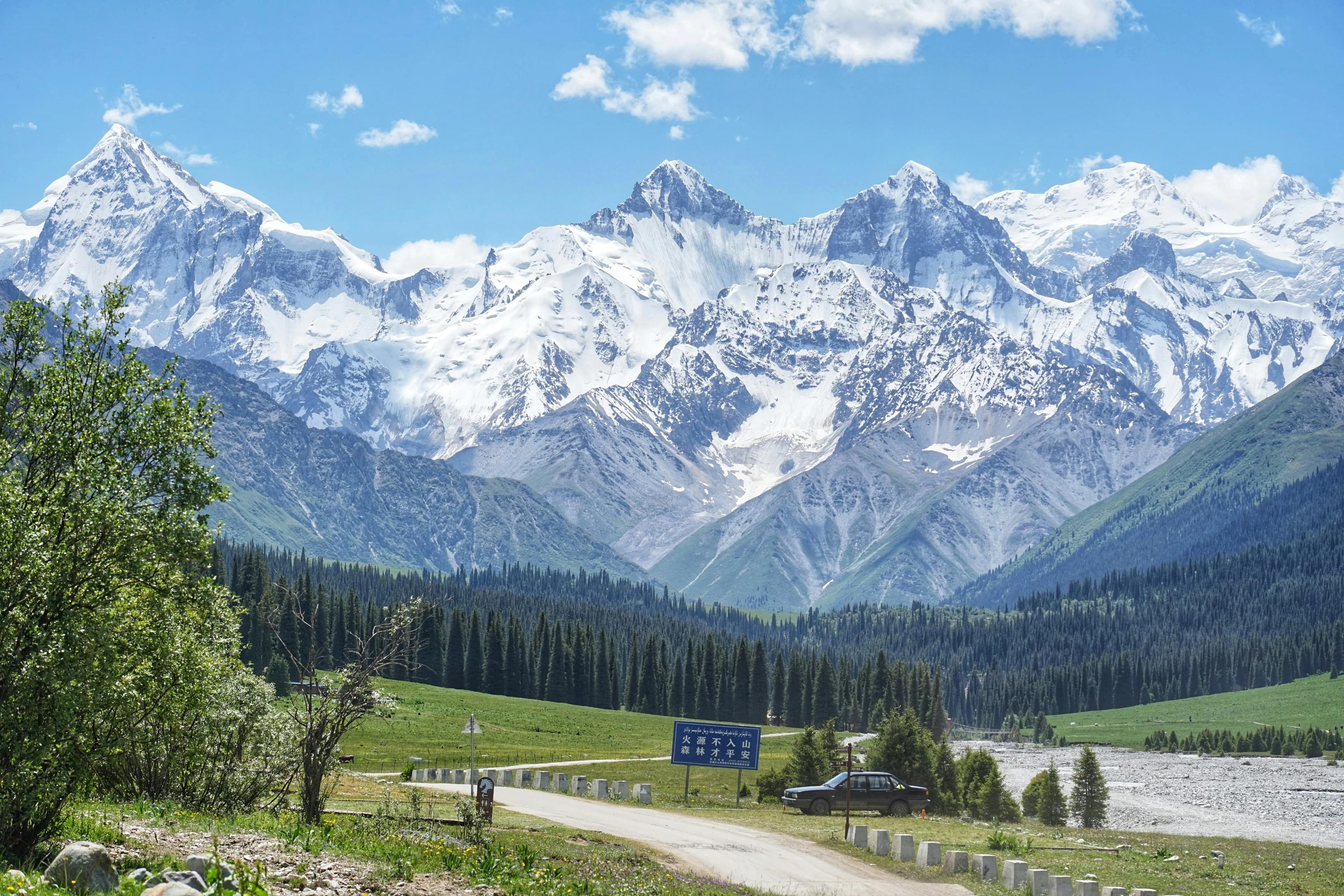
Day 10: Travel to Bishkek** Fly from Urgench airport near Khiva or from Tashkent to Bishkek. This is the long day — airports and transit — so don't try to sightsee. Arrive, eat, sleep. ** **Days 11–12: Bishkek and Ala Archa Bishkek surprises people because it's leafy and walkable and has decent coffee and a mountain backdrop that starts almost at the city edge. Take one day for the city, one for Ala Archa National Park — 40 minutes from Bishkek, a gorge with a river running through it and proper peaks above, and you can hike for a few hours without any preparation or special gear. **
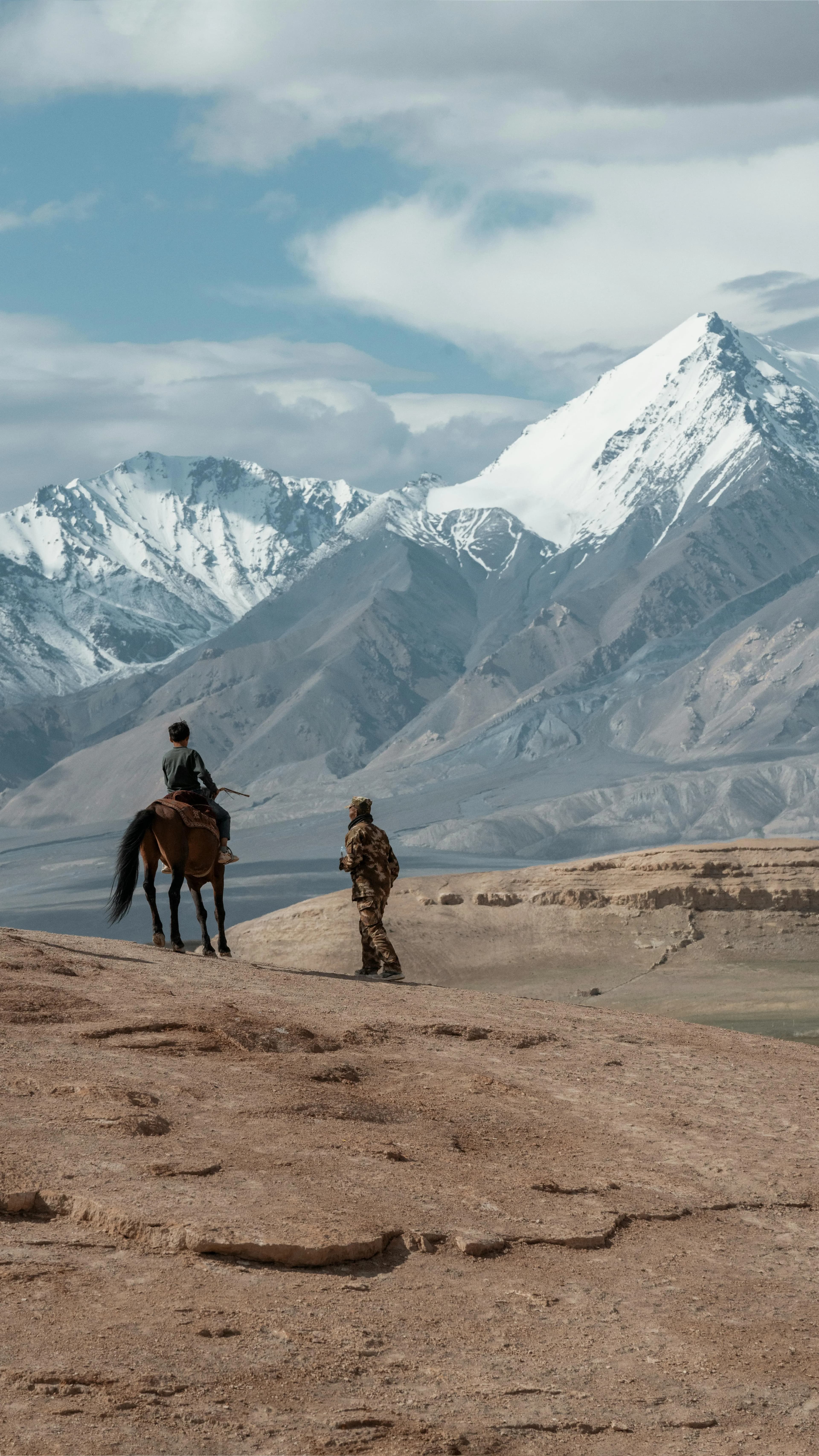
Days 13–14: Issyk-Kul or Song Kul** If you have the energy for one mountain experience, this is it. Issyk-Kul is the easier option — a huge alpine lake two hours from Bishkek, warm enough to swim in, surrounded by snow-capped peaks. Song Kul is harder to reach but more dramatic: a high plateau at 3,000 metres where nomadic families summer with their herds and where you spend the night in a yurt with no electricity, no signal, and more stars than you've probably seen anywhere. If your body can handle the altitude, choose Song Kul. ** **A few honest notes. This route has a lot of variety, which also means a lot of transitions. If you hate packing and unpacking, that accumulates.
The Tashkent-to-Khiva section is the most logistically complex part — flights are limited, the car is long, the train is longer. We handle all of this when we build the itinerary, which is part of why people who've tried to organise it themselves sometimes end up calling us after the third booking attempt. If two weeks sounds like too much, cutting to Tashkent, Samarkand, and Bukhara in seven or eight days makes a complete, satisfying trip. If it sounds like too little, add the Fergana Valley between Tashkent and Samarkand or extend Kyrgyzstan to a week of its own. The route above is the version that works for most people as a first trip into the region.