The Lost Oasis of Khorezm: Reading the Desert Fortresses of Ellik Kala
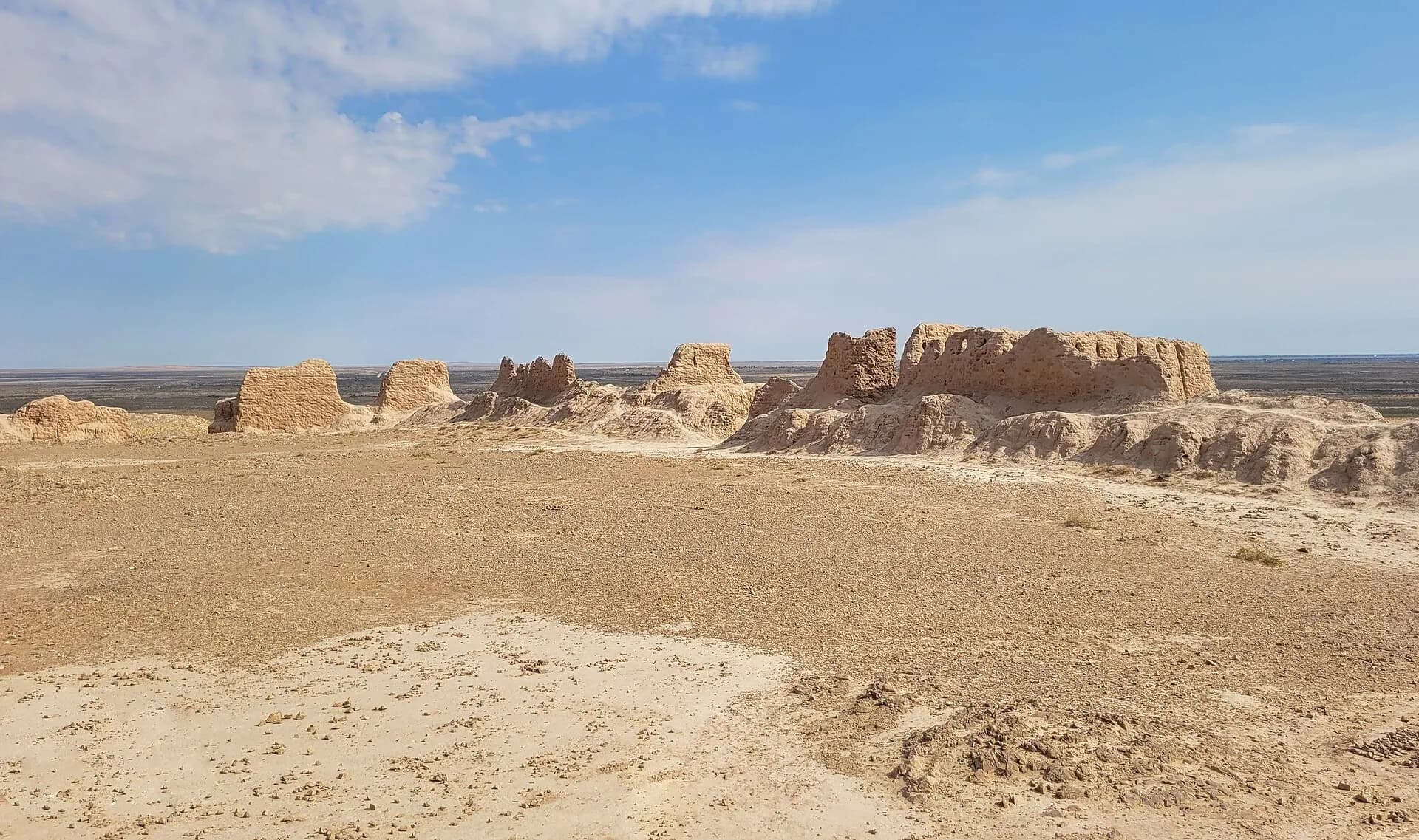
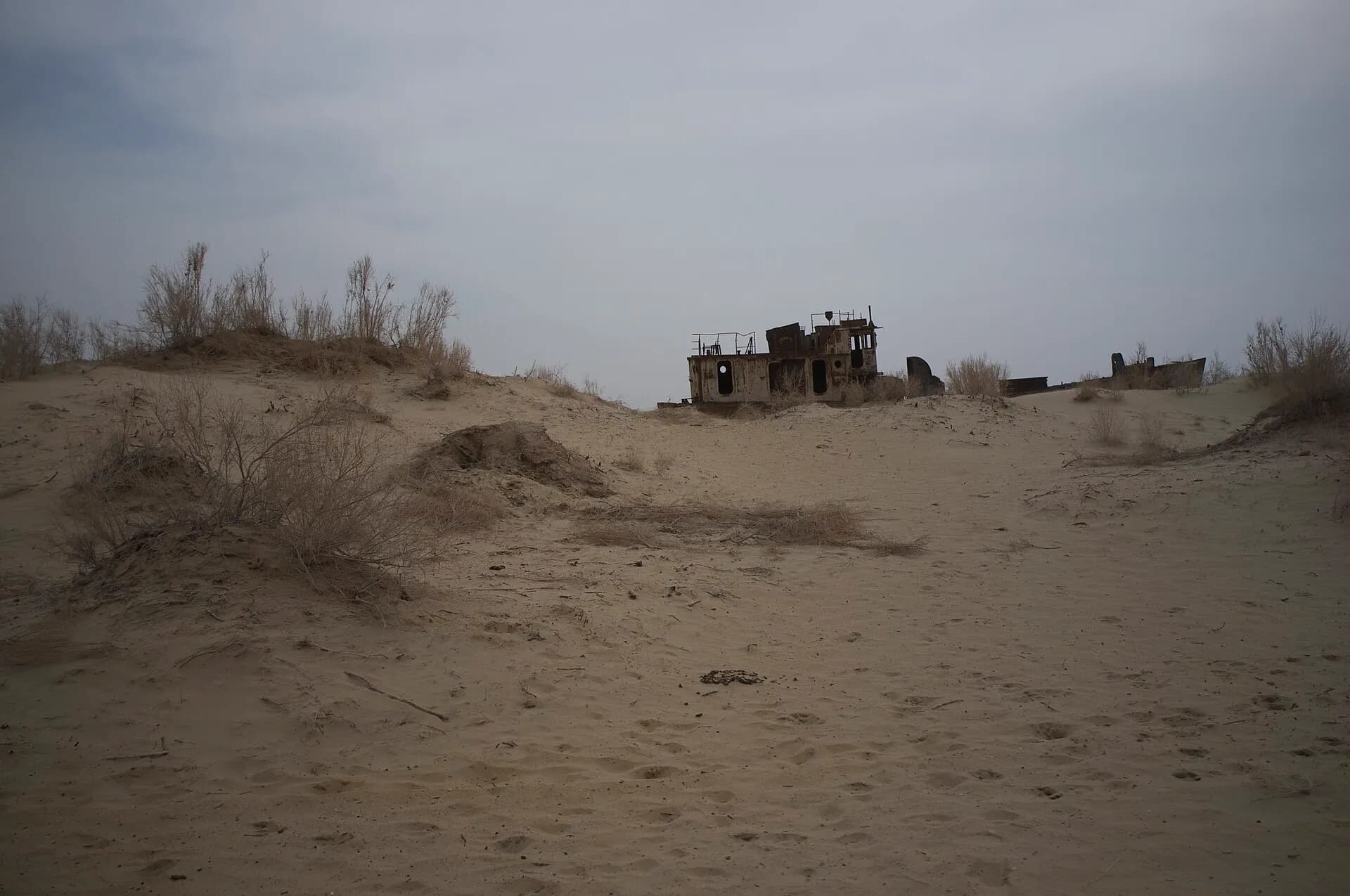
From an Ayaz-Kala wall, the surrounding plain can seem too dry to explain the ruins. The missing part of the picture is water. Ancient Khorezm supported settlement and agriculture through irrigation, and its fortresses belonged to inhabited landscapes rather than an empty desert.
1. A region, not one vanished oasis
Ellik Kala is commonly translated as "fifty fortresses." The name introduces a scattered archaeological landscape, not a single complex whose buildings can all be visited in one walk. The surviving sites differ in age and purpose. Some were fortified settlements; others included elite residences or defensive works. Their present isolation is a poor guide to how closely they once related to fields, canals and neighboring communities.
2. Ayaz-Kala and Toprak-Kala tell different stories
Ayaz-Kala offers dramatic hilltop walls and a broad view across the plain. Toprak-Kala is associated with a settlement and palace remains, making its internal spaces as important as its outline. The Desert Castles of Ancient Khorezm submission describes several sites and their distinct structures. It appears on UNESCO's Tentative List; that should not be presented as the same status as an inscribed World Heritage property. A guide who compares entrances, room plans and defensive positions can make two stops more rewarding than a hurried circuit of many similarly colored ruins.
3. What happened to the landscape?
Watercourses, irrigation systems, political conditions and patterns of occupation changed over centuries. There is no single disappearance story that explains every fortress. Ask which period a visible wall belongs to and what evidence supports an interpretation. Archaeology often supplies a careful reconstruction rather than a complete narrative. That uncertainty is part of the interest: a ground plan can answer one question and open several more.
Travel Tip
Allow a full day for a selective circuit and discuss walking ability before setting out. The ruins are exposed, surfaces can be unstable, and a shortcut up an earthen wall can damage it.
- When: Cooler spring or autumn days are generally easier for exposed visits.
- Where: The Ellik Kala area of Karakalpakstan, commonly reached from Khiva or Nukus.
- The Vibe: Wide views paired with close attention to fragile remains.
Build an archaeological extension with Minzifa Travel. Look through tour possibilities and learn about the team before deciding how many sites to include. Cover photo: The earthen remains of Ayaz-Kala 1, one of ancient Khorezm's fortress sites. Photo: Bgag / Wikimedia Commons, CC0. Resized for web display.
Comments
Leave a comment
No comments yet. Be the first to share your thoughts!