The Alchemy of Fergana Pottery: How Rishtan’s Blue Ceramics Are Made
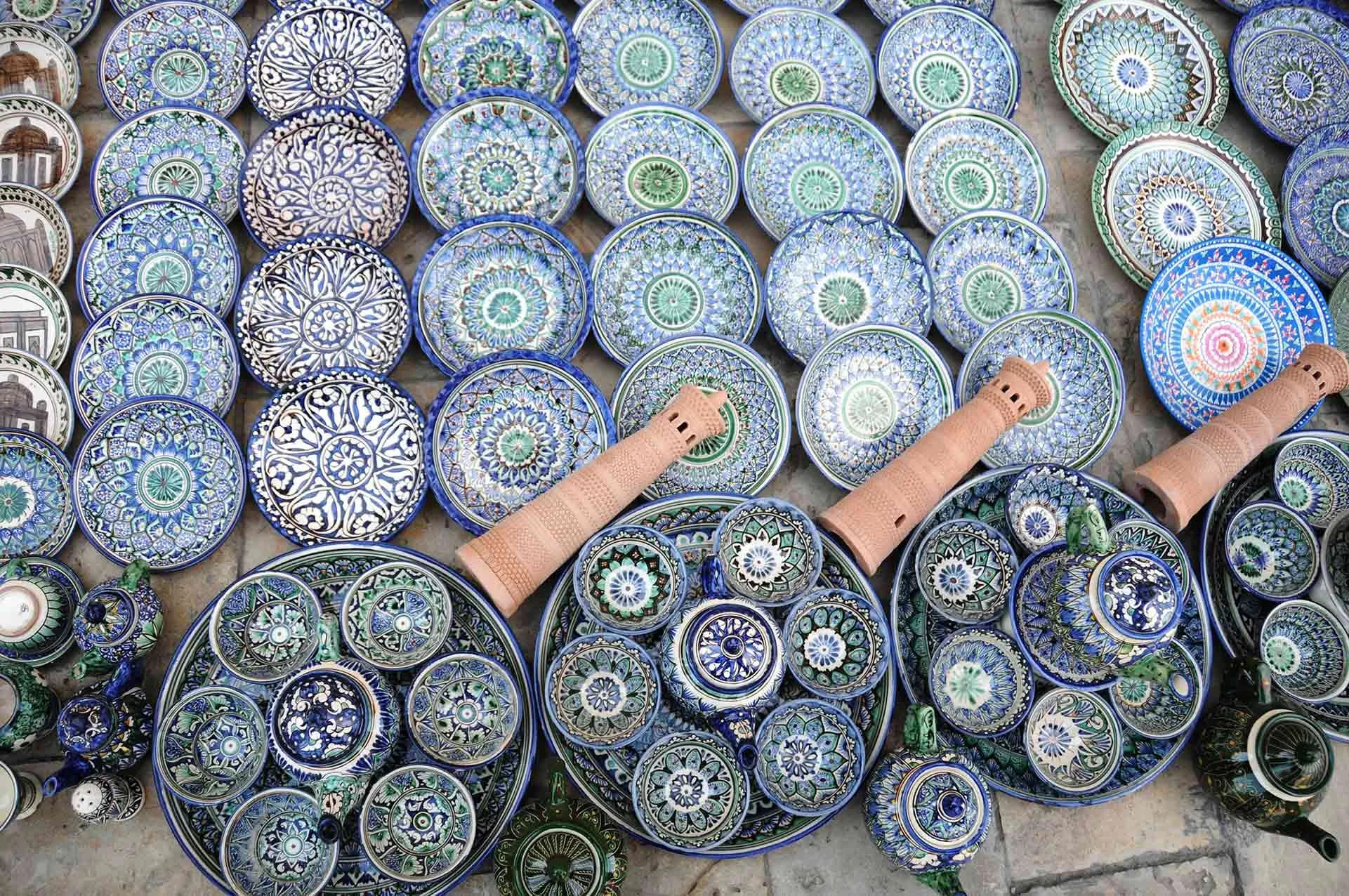
Rishtan’s famous blue ceramics are not simply painted blue: their color emerges from local clay, glaze ingredients, kiln conditions and a potter’s decisions. This is a closer look at the making process, distinct from a sightseeing route or shopping checklist. The most interesting question in a workshop is often not “What does this symbol mean?” but “How did this surface happen?”
- Start with Rishtan clay
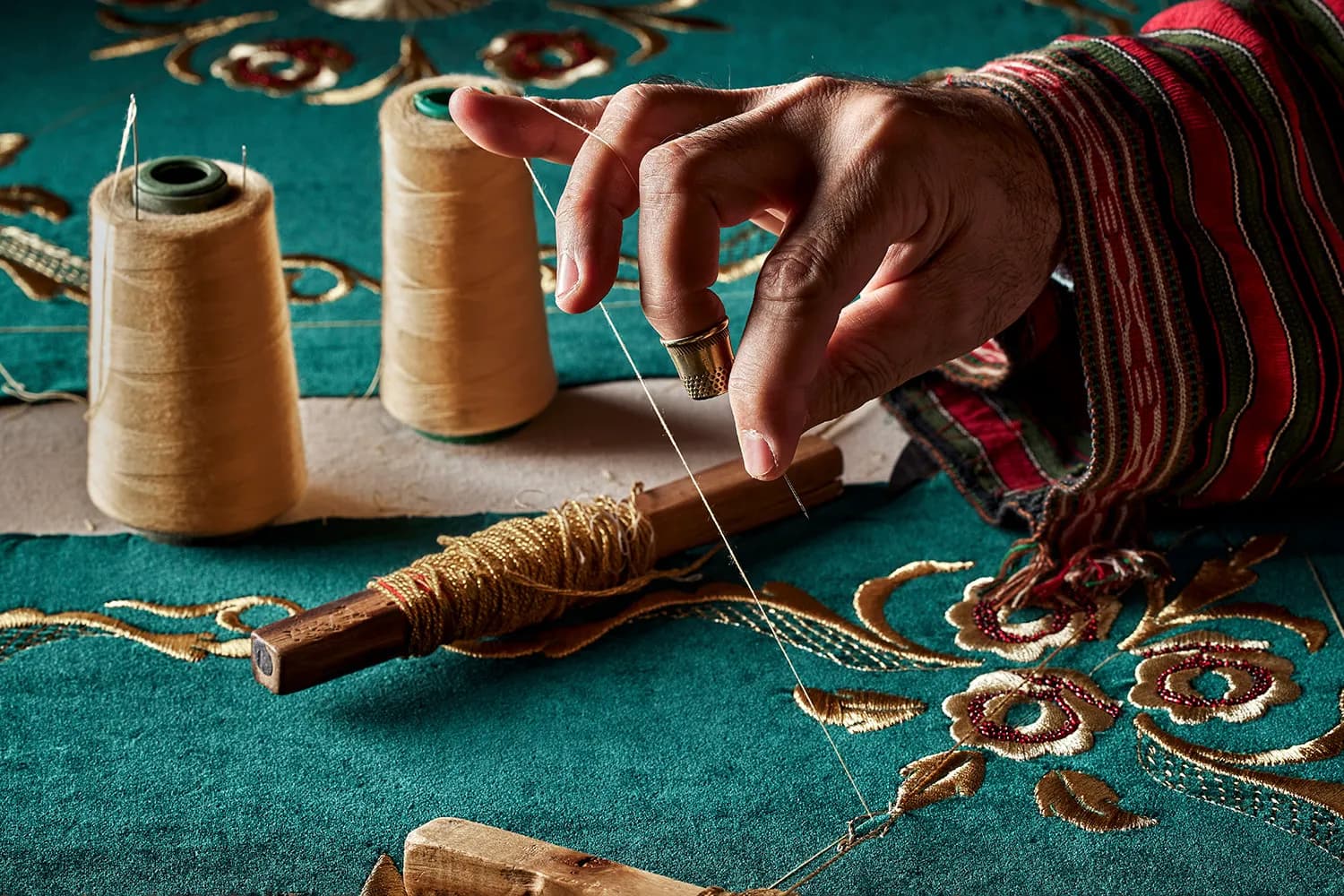
Visit a working studio during daytime hours and ask whether a demonstration is underway. Rishtan in the Fergana Valley, where family workshops and craft centers keep pottery skills alive. Hands-on, earthy and full of small technical decisions. Rishtan is known for its local red clay and long pottery tradition. A potter first prepares and shapes the clay, then allows the form to dry before firing and glazing. The exact clay body and sequence vary by workshop, so watch the craftsperson rather than expecting one standard recipe.
- The blue is a material effect
Ask to see glaze samples and, if safe, a firing explanation. Glazing and kiln areas, viewed only with the artisan’s permission. A chemistry lesson disguised as a deep turquoise bowl. Rishtan’s blue-green tones are associated with ishkor glaze, traditionally made using plant ash. Color depends on glaze composition and firing conditions. The word “alchemy” is a metaphor for this transformation, not a claim of secret magic. Do not touch unfired or freshly fired pieces.
- Learn from the workshop relationship
Ask how skills pass from a master to apprentices. Craft centers and family workshops in Rishtan. Patient, collaborative and rooted in living practice. The local master-apprentice model links demonstration with long-term training. UNESCO and Uzbekistan’s cultural institutions describe safeguarding craft knowledge as part of the tradition. Ask whether the person demonstrating is the maker, a teacher or a workshop host, and credit them if you share photographs. Ask which step creates the glaze’s final color and how firing changes it. The answer makes the finished bowl far more interesting than a quick souvenir stop. Discover local culture with Minzifa Travel tours, learn about Minzifa Travel, or contact our team to plan a visit.
Comments
Leave a comment
No comments yet. Be the first to share your thoughts!