Balbals and Stone Figures at Burana: Reading the Steppe Memorials
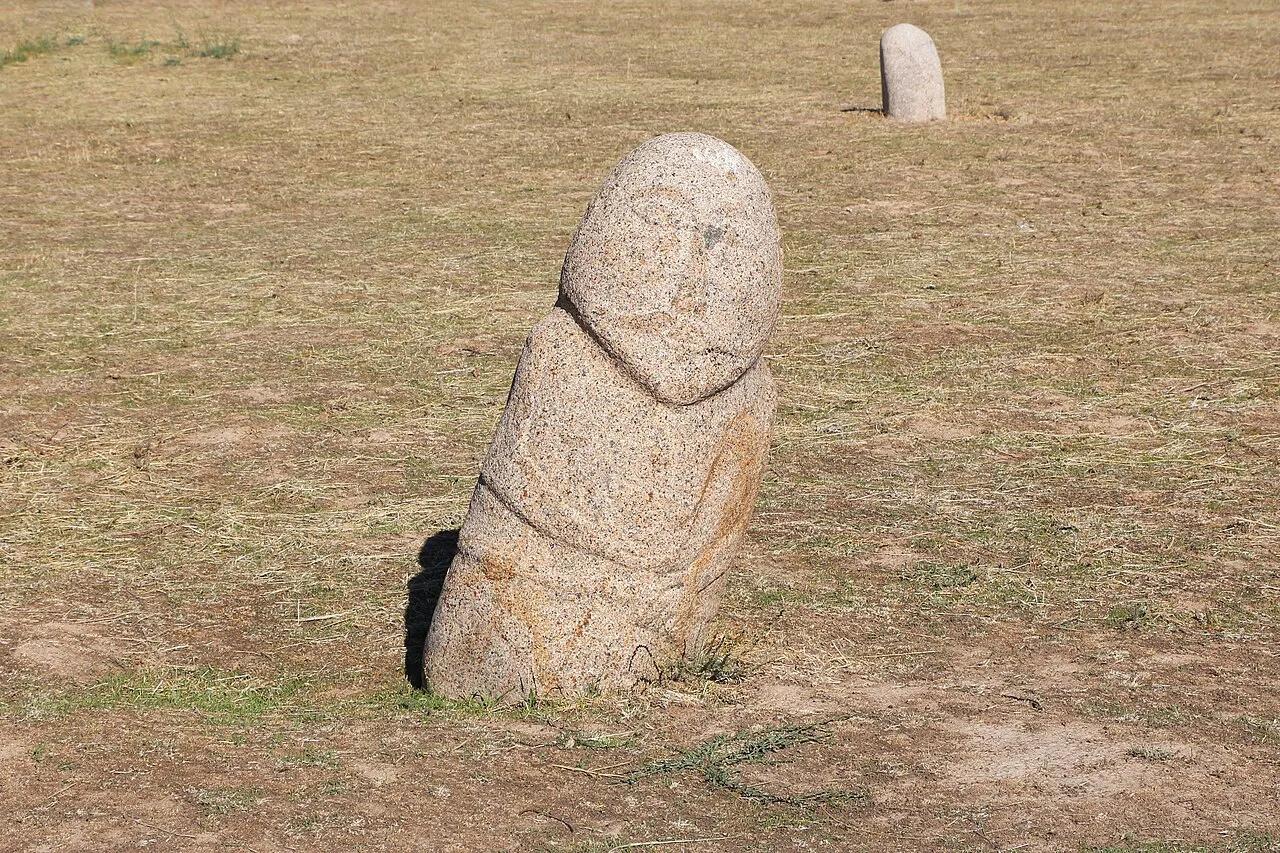
A weathered face can hold your attention as firmly as a tower. At Burana in Kyrgyzstan, the outdoor stone display rewards a slower look at the figures: what has been carved, what has worn away and what the stone’s present position can tell us.
These objects are often called balbals in travel writing. Specialist literature uses more careful distinctions, and those distinctions make the visit more interesting rather than less mysterious.
1. Begin with what is actually carved
Look for facial features, hands, a belt, a weapon or a vessel. Some figures preserve more detail than others. Describe what you can see before deciding that an unclear shape must be a cup, a sword or a portrait of a named person.
An anthropomorphic statue represents a human form. In studies of Turkic memorial complexes, balbal can refer more narrowly to simpler stones set in a line associated with a memorial. A carved figure and such a row may belong to the same broader setting without being the same kind of object.
Everyday museum and tourist usage can be broader. Ask how the term is being used rather than assuming that a familiar label settles the interpretation.
2. Reconstruct a setting, not just a face
Researchers study statues alongside enclosures, stone rows, inscriptions and other features. Their relationships can matter more than the isolated appearance of a single stone.
An outdoor museum arrangement lets visitors compare objects, but it should not automatically be read as the original layout of a medieval memorial. Look for a findspot, accession information or an explanation of how a figure entered the collection. Where that information is missing, leave its original position open.
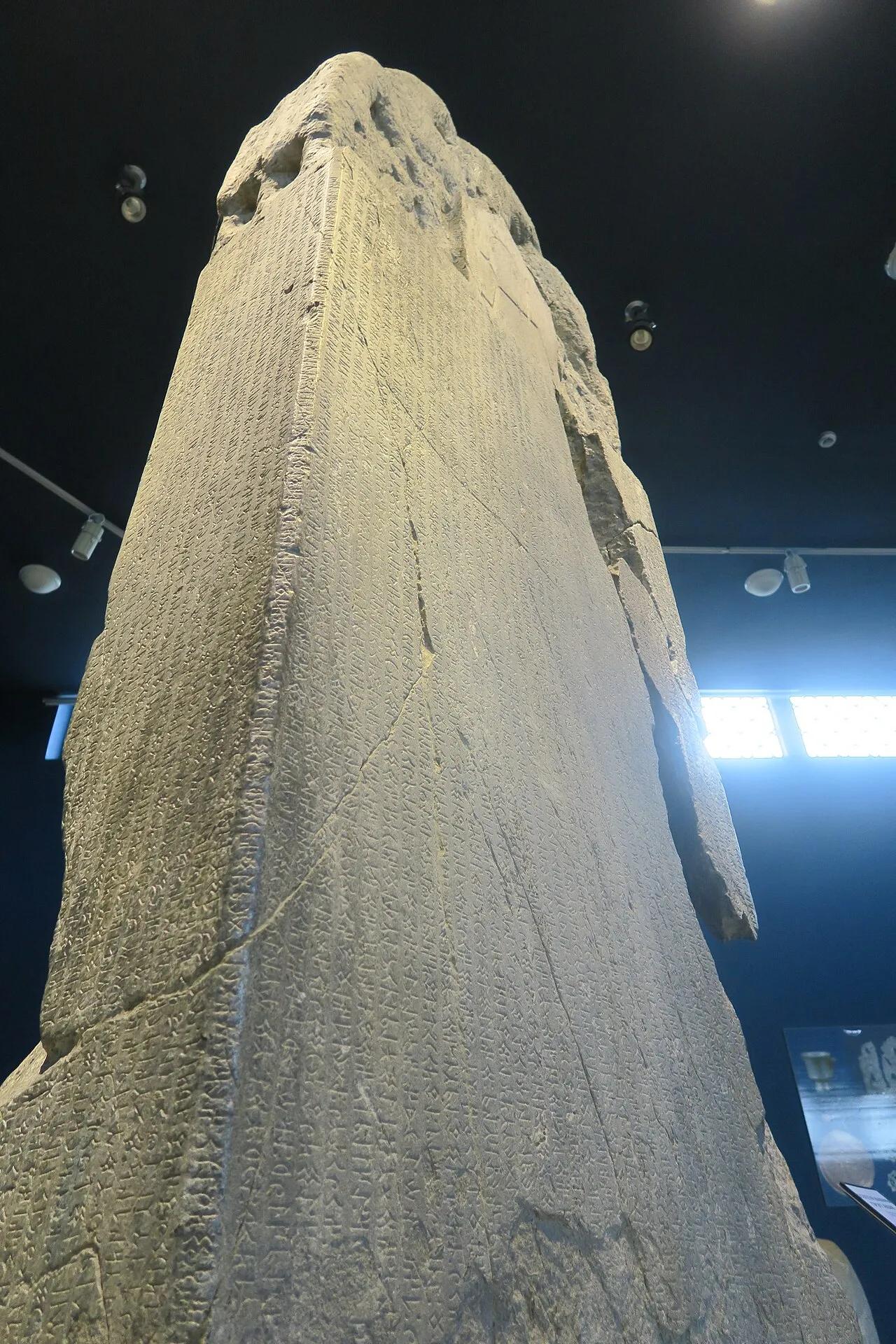
The cover photograph shows one stone figure in the Burana collection. It does not establish an intact original row or identify the person represented.
3. Keep interpretation proportional to the evidence
Texts and archaeological studies have linked balbals with defeated enemies and commemoration. Scholars also debate terminology, the roles of different stones and how specific memorial arrangements should be understood.
It would be too simple to say that every carved figure at Burana represents a slain enemy, or that each stone is a grave marker with a body directly beneath it. Nor is “totem” a neutral established identification for all these objects. The most defensible explanation names the evidence and the particular type of memorial being discussed.
Ask which interpretation comes from an inscription and which from the statue’s form or find context. A thoughtful answer may include uncertainty.
4. Photograph the details without adding new wear
A wider photograph records the whole object; a second can capture the carving visible from a permitted position. Side light may reveal a shallow line that is difficult to see in a frontal picture.
Do not trace the face with your fingers, chalk a feature or use a statue as a seat. Its worn surface is part of the evidence, not something to improve for the camera.
Travel Tip
Allow time for the stone collection as well as the tower, and ask whether the museum can explain the findspots of a few examples. Wear shoes suited to uneven ground. Contact Minzifa Travel to fit Burana into a Kyrgyzstan journey without rushing through the display.
Sources and further reading
- Oktay Belli: Stone Statues and Balbals in Turkic World
- Anıl Yılmaz: Some Remarks on the Term Balbal of Ancient Turks
- Charles University repository: study of the Kül Tigin memorial and its archaeological context
Cover image: A stone figure in the Burana outdoor collection, Kyrgyzstan; the photograph does not establish its original memorial arrangement. Source: Burana Tower site 08.jpg. Credit: Bgag. License/status: CC0. Resized for web delivery; no substantive alteration.
Comments
Leave a comment
No comments yet. Be the first to share your thoughts!