Ibn Sina and Bukhara’s Palace Library: A Reader’s Story
The most evocative room in Bukhara’s intellectual history is one a visitor cannot enter today. Ibn Sina’s account of a royal library describes an encounter with books that opened new possibilities of learning.
His story invites a different kind of heritage walk: one built around reading, access and the movement of ideas, rather than the promise of finding a surviving library doorway.
1. Begin with the kind of source we have
The central account comes from Ibn Sina’s autobiography, transmitted with the continuation written by his student al-Juzjani. As the Stanford Encyclopedia of Philosophy explains, this combined text is a major source for his life.
An autobiographical account is valuable, but it has a viewpoint. It tells us how a scholar presented his education and development. Treating it as an independent inventory of every book in Bukhara would ask it to do something different.
The library in this story is the Samanid ruler’s palace book collection. “Royal archives” would suggest administrative records rather than the range of learned books described in the account.
2. Understand why access mattered
According to the account, the young Ibn Sina gained permission to use the library after treating the ruler. He describes finding works he had not encountered before, within a scholarly world encompassing several branches of knowledge.
Bukhara under the Samanids was connected with the broader Arabic-language intellectual culture of the period, including translations of Greek works. The library story belongs to that connected world; it is not a tale of one isolated genius discovering learning in an otherwise empty landscape.
Keep the scale of the claim clear. This is evidence for a remarkable palace collection and its importance to one reader, not proof of an excavated city-wide network of identical royal libraries.
3. Read the city through context
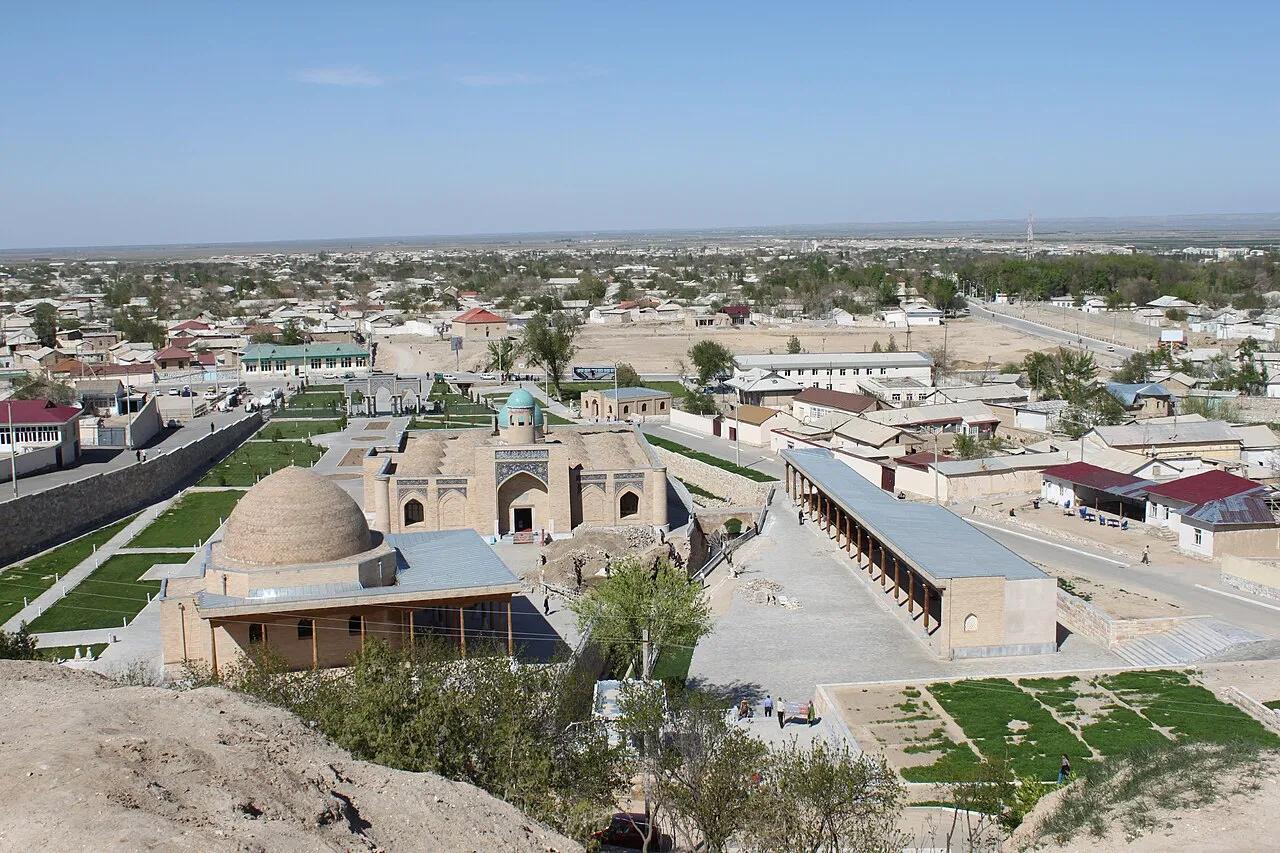
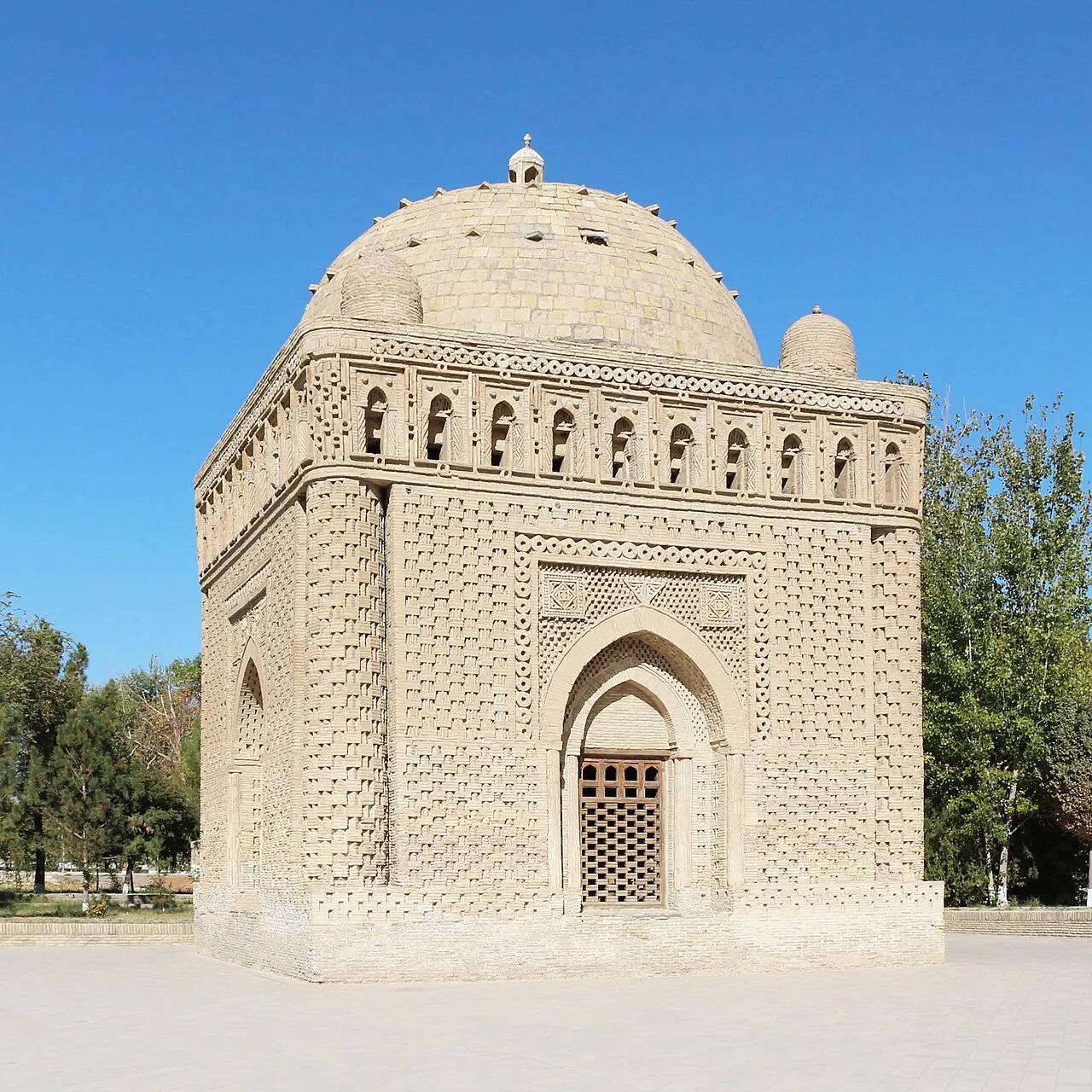
The Samanid Mausoleum offers a surviving architectural connection with the dynasty. Its patterned brickwork can anchor a discussion of the period while remaining a tomb, not the library Ibn Sina used.
The cover photograph shows that mausoleum. It should not be read as a picture of the palace collection or a place where the original shelves can still be visited.
Ask a guide which surviving buildings, archaeological findings and museum displays relate to the story. A good explanation can distinguish a physical remnant from a later memorial, and both from a location known mainly through texts.
4. Follow a book beyond its first reader
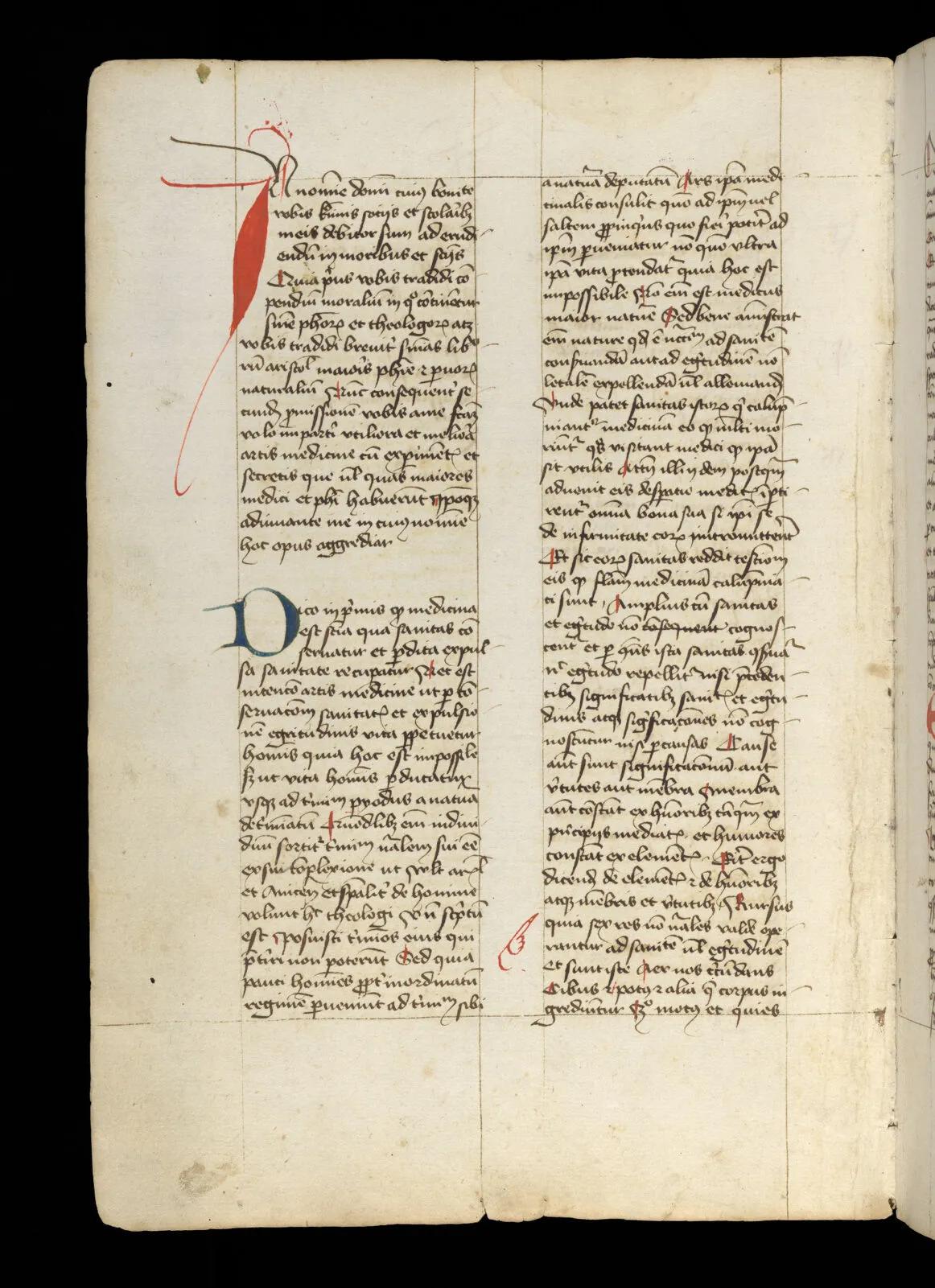
A later manuscript copy of a work by Ibn Sina raises another set of questions: who copied it, in which language, and how long after the author lived? A beautiful page may document transmission across centuries rather than the appearance of the book he first wrote.
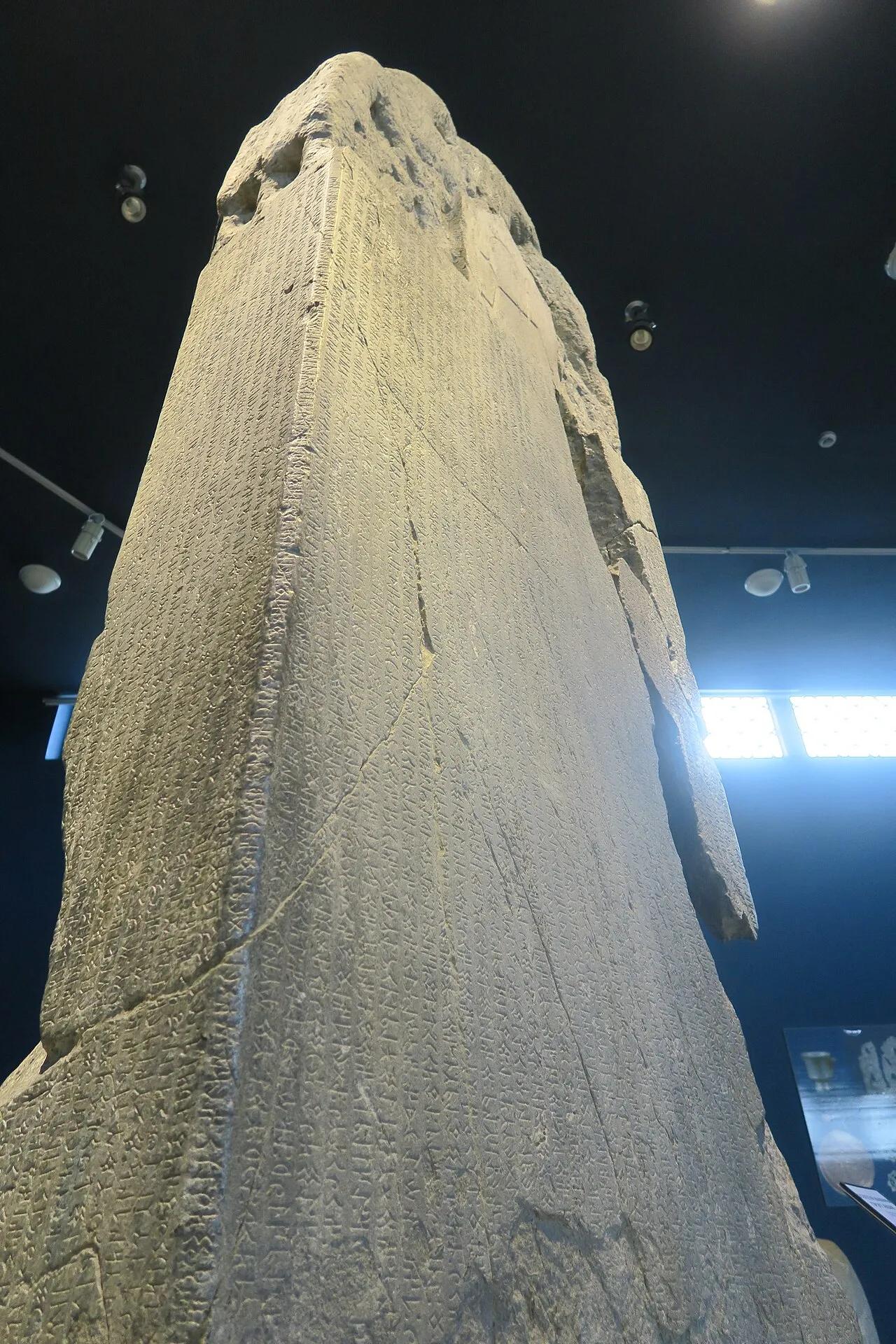
This perspective also connects with Sogdian letters and long-distance communication. Different kinds of writing preserve different parts of history; a private letter, a scholarly manuscript and a royal collection are not interchangeable sources.
Travel Tip
Ask for a Bukhara history-of-learning walk, with the mausoleum and relevant museum material presented as context. Confirm any Ibn Sina museum excursion separately, including location and opening arrangements. Contact Minzifa Travel to plan the route without expecting access to a surviving palace library.
Sources and further reading
- Stanford Encyclopedia of Philosophy: Ibn Sina, life and education
- UNESCO: Historic Centre of Bukhara and the Samanid tomb
- Library of Congress: a later manuscript copy of the Canon of Medicine
Cover image: Samanid Mausoleum, Bukhara: a dynastic architectural context, not Ibn Sina’s palace library. Source: Samanid Mausoleum, Bukhara.jpg. Credit: Bgag. License/status: CC0. Resized for web delivery; no substantive alteration.
Comments
Leave a comment
No comments yet. Be the first to share your thoughts!