Twelve Animals, Repeating Years: Reading the Turkic Calendar
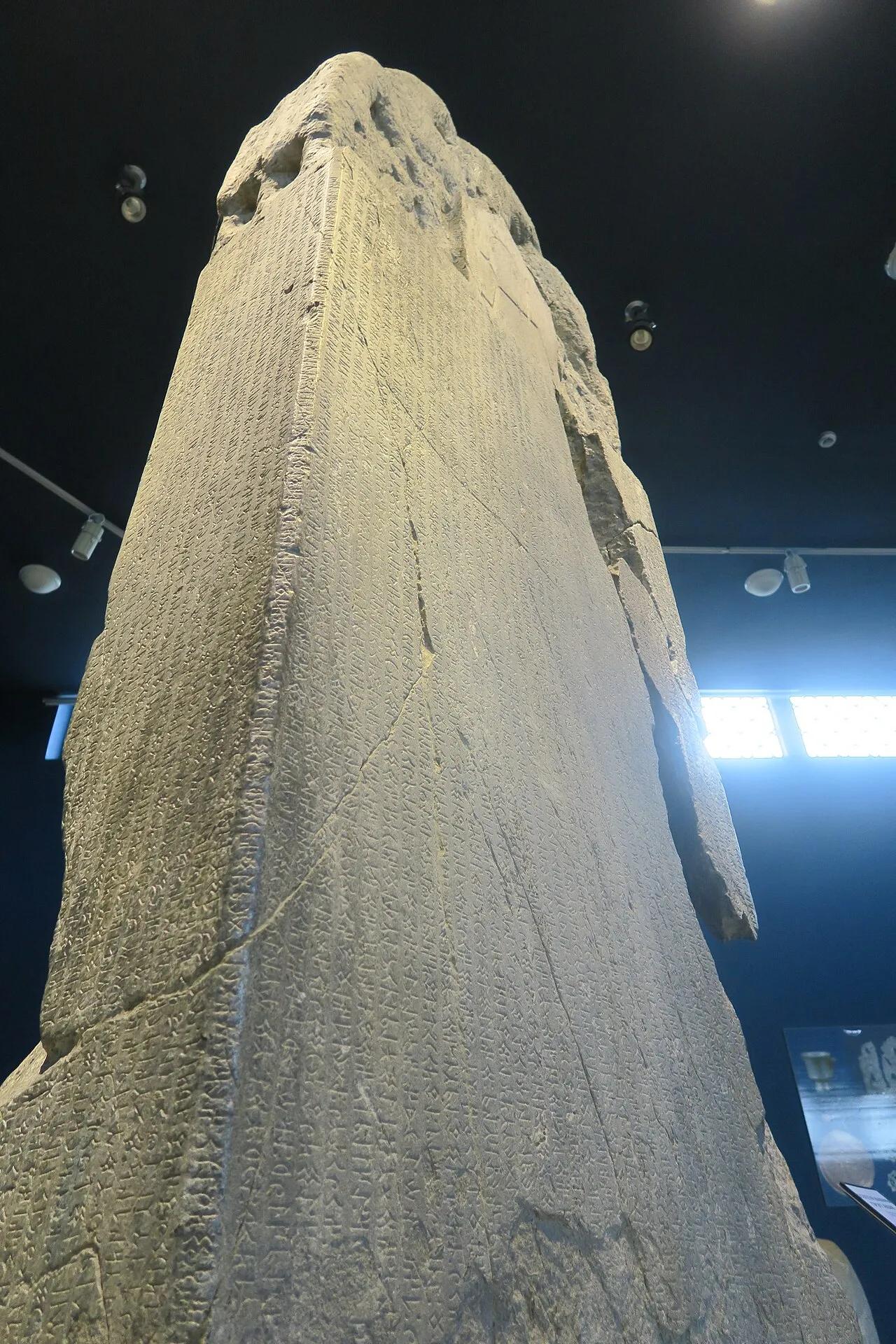
An inscription records a death in a sheep year and the completion of a memorial in a monkey year. The animals are not decorative additions: they help place events in time.
For travellers interested in the history of the Eurasian steppe, the twelve-animal cycle provides a memorable introduction to historical dating. It also raises a useful puzzle: if the same animal returns every twelve years, how do you know which year a text means?
1. Understand what the cycle counts
In this system, successive years receive animal names, and the sequence repeats after twelve years. Related traditions circulated among different peoples of Eurasia; names, associated beliefs and the handling of the new year could vary.
The cycle is not a list of twelve seasons. Knowing an animal year does not automatically tell you the month, the weather or when a community moved its herds. Seasonal observations and shorter units of time answered other practical needs.
Nor does an animal name supply an absolute date on its own. Historians compare rulers, events, other dating systems and the text’s setting to identify the relevant turn of the cycle.
2. Read an example in the Orkhon inscriptions
The eighth-century Kül Tigin inscription in present-day Mongolia associates his death with a sheep year and completion of the memorial with a monkey year. Month and day expressions appear alongside those year names.
This combination is more informative than a modern animal illustration. It shows the cycle being used to record particular events. It does not mean the whole monument is a calendar chart, or that the animal year replaces every other part of a date.
The cover photograph shows the surviving Kül Tigin stele displayed inside the Göktürk museum at Khöshöö Tsaidam. A museum display and a modern replica elsewhere should be identified separately when comparing photographs.
3. Move forward to al-Kashgari
In the eleventh century, Mahmud al-Kashgari’s Diwan lughat al-Turk records animal-year names and an account explaining the cycle’s origin. That story is evidence for a tradition recorded by a particular author, not a securely dated report of the calendar’s invention.
Later studies compare Kyrgyz and Mongol practices and find both connections and differences. A familiar list of animals can travel widely while local meanings and everyday timekeeping remain varied.
4. Ask about lived time as well as written dates
On a pastoral visit, ask your host which signs guide decisions about weather, grazing and travel. Keep those answers attached to that community and present-day circumstances. They need not reproduce the timekeeping of an eighth-century court.
In a museum, try a different question: does the label translate an animal-year expression, convert it into a modern date or show both? The conversion is part of the historian’s work, not necessarily wording that was carved on the stone.
Travel Tip
Save a short transcription and translation before visiting a runic-inscription display. First identify the object and its date; then look for the year expression with a guide. Ask Minzifa Travel about museum visits appropriate to your route. The Orkhon monuments themselves are in Mongolia, not a local stop in Uzbekistan.
Sources and further reading
- Türk Bitig: Kül Tigin inscription, transcription and translation
- Abdrasul Isakov: the twelve-year animal cycle among Kyrgyz and Mongols
- Encyclopaedia Iranica: duodecennial calendars and regional variation
- Monumenta Altaica: Orkhon monuments and their locations
Cover image: Kül Tigin inscription displayed inside the Göktürk Museum at Khöshöö Tsaidam, Mongolia. Source: Kultigin Monument of Orkhon Inscriptions.jpeg. Credit: Vezirtonyukuk. License/status: CC BY-SA 4.0. Resized for web delivery; the adapted photograph remains under the stated share-alike licence.
Comments
Leave a comment
No comments yet. Be the first to share your thoughts!