Chor Chinor in Urgut: Plane Trees, Sacred Landscape and a Slower Visit
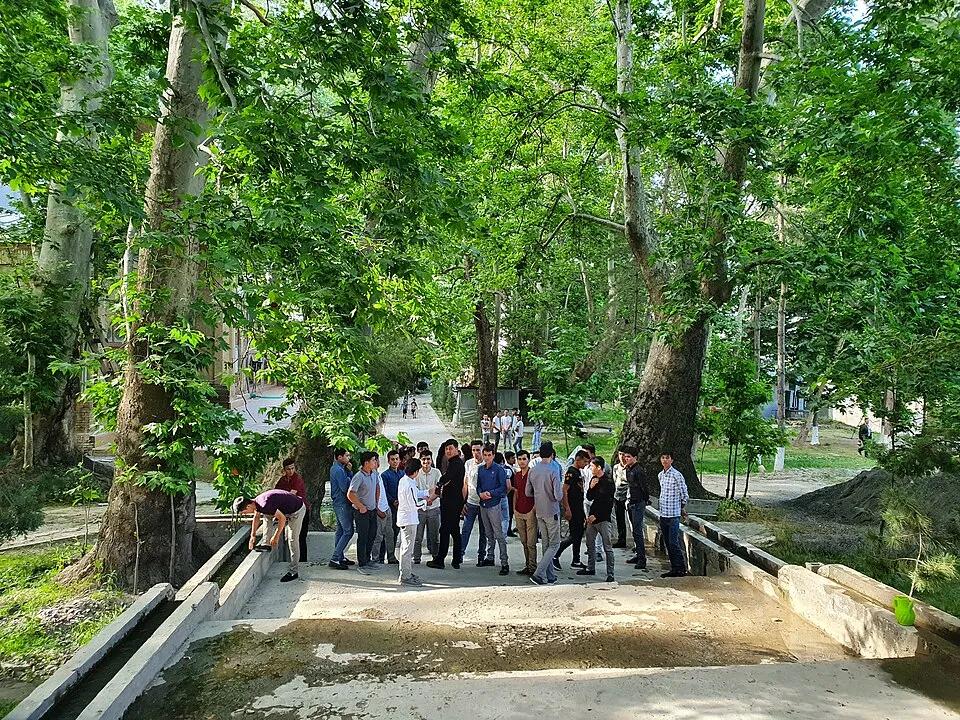
A trip out of Samarkand need not add another monumental square to the itinerary. In Urgut, Chor Chinor offers a different focus: old plane trees, water and the ways people use a shaded sacred landscape.
The appeal is easy to lose if the visit becomes a competition to find the biggest trunk or repeat the most extraordinary age claim. Slow down, look at the grove as a whole and leave room for the people who come here for reasons other than sightseeing.
1. Know which place you are visiting
Chor Chinor, also written Chor-Chinor or Chorchinor, is associated with Urgut, southeast of Samarkand. Its name is commonly translated from Persian or Tajik as “four plane trees”. It is a garden and sacred setting, not Bukhara's similarly named Chor Minor monument.
Use the Urgut location when confirming a pickup or searching a map. Transliteration varies, so a saved pin and an agreed entrance are more useful than relying on the spelling alone.
2. Enjoy old trees without assigning an exact birthday
The grove is known for substantial old plane trees and a spring. Large trunks, hollows and the relationship between roots, paths and water give visitors plenty to observe.
Popular accounts attach very precise ages to particular trees. Unless a claim is supported by an identifiable botanical study or a clearly explained dating method, treat it as a local attribution rather than a measured age. A large trunk is impressive on its own; it does not need an unverifiable planting date to be worth your attention.
The same care applies to stories about the use of a hollow tree as a room or place of teaching. Ask whether the account is documented history, oral tradition or an interpretation offered to visitors.
3. Recognise the sacred landscape
Regional descriptions connect Chor Chinor with a shrine and local religious traditions. Trees, water and commemorative places form part of that setting. What looks like a peaceful park to a visitor may be a place of devotion to someone beside them.
Follow local guidance near religious spaces, dress considerately and avoid interrupting prayer. Ask before photographing people. Listen when a caretaker explains where visitors may walk and which areas should remain quiet.
There is no need to copy a ritual, tie something to a branch or enter a hollow simply because another visitor does so. Watching respectfully is a complete way to take part in a visit.
4. Protect roots and water
Keep to established paths and avoid climbing or leaning on vulnerable tree parts. Do not carve a name, remove bark or collect pieces from the site. A photograph can be taken from ground level without using a root as a step.
Treat the spring according to the site's guidance and bring your own drinking water. Religious significance does not, by itself, establish that untreated water is suitable for every visitor to drink.
5. Give Urgut its own pace
If a market visit is part of the day, confirm the actual market and its operating pattern separately. Do not assume the liveliest trading day from a generic description of “Urgut bazaar”. The garden and the market offer different experiences, and both work better with time to pause.
Travel Tip
Confirm the Chor Chinor entrance, return transport and walking conditions before leaving Samarkand. Let your organiser know if roots, steps or uneven surfaces are difficult for you. Ask Minzifa Travel to combine Urgut with a manageable Samarkand itinerary, allowing time for the grove itself.
Sources and further reading
- Agrotourism Association of Uzbekistan: Chor-Chinor garden
- Samarkand regional guide: Chor-Chinor
- Uzbekistan Travel: Urgut district and its plane-tree garden
Cover photo: The Chor Chinor sacred garden in Urgut. Source: Urgut(10) Chor-Chinor.jpg. Credit: Muxriddin Azimov. License/status: CC BY-SA 4.0. Web-optimised photograph remains available under the stated share-alike licence.
Comments
Leave a comment
No comments yet. Be the first to share your thoughts!