The Miracle Well of Chashma-Ayub: Job’s Spring and Bukhara’s Water Heritage
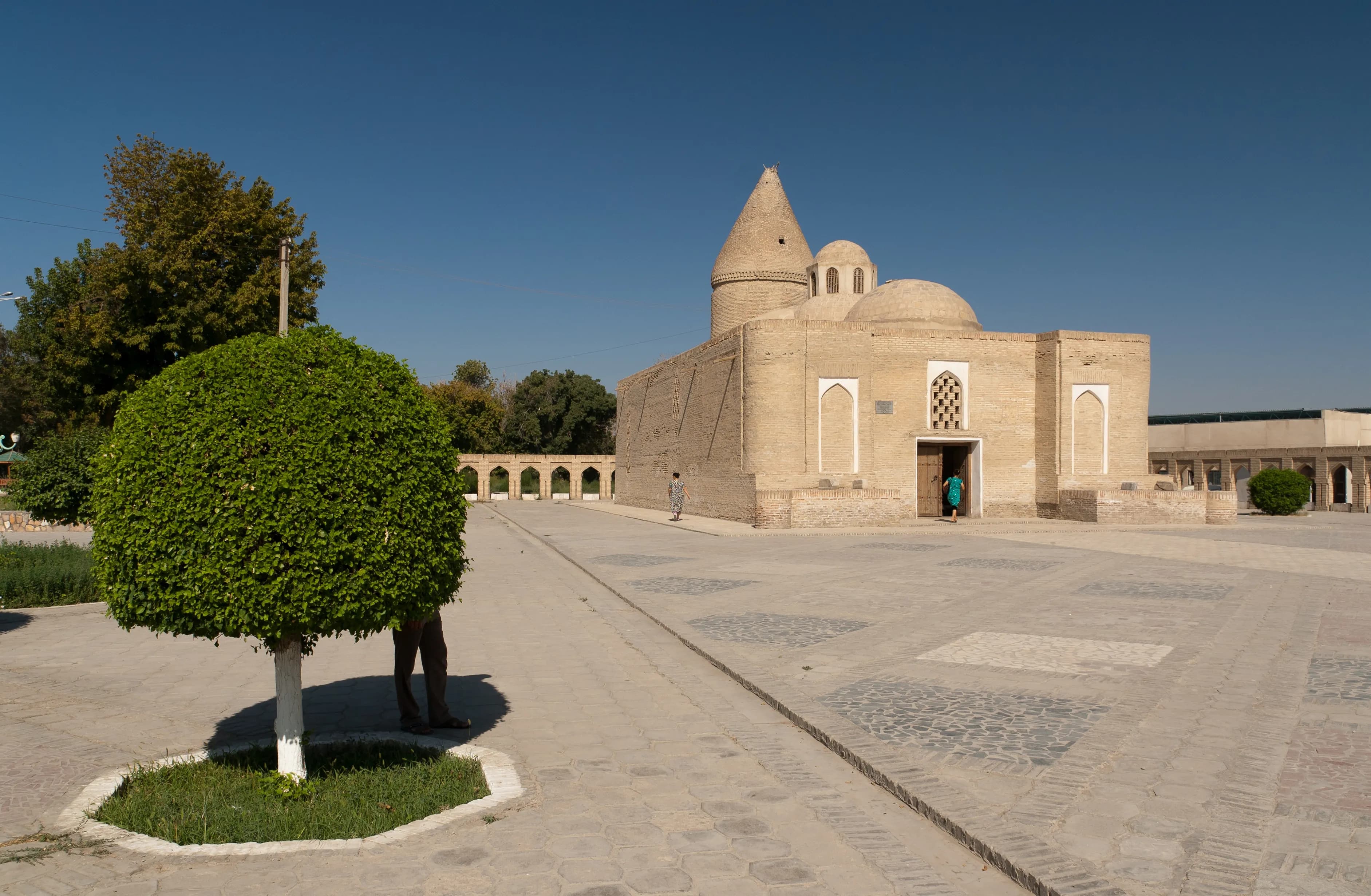
Chashma-Ayub, often translated as the Spring of Job, is one of Bukhara’s most evocative sacred sites. Tradition says the Prophet Job struck the ground and brought forth water in a dry land. The account belongs to religious lore; the building and the city’s dependence on wells and reservoirs offer a parallel, practical story about survival in an oasis.
- A shrine with a layered building history
When: Visit during the cooler part of the day and check access hours locally. Where: Near the Samani Mausoleum and the historic centre of Bukhara. The Vibe: A compact monument with a distinctive conical roof. Chashma-Ayub’s form differs from the city’s familiar domes, and the structure has been altered over time. Inside, visitors encounter the well tradition and a small museum or interpretive displays when open. Ask about the building phases rather than assuming every visible feature belongs to one era.
- The story of Job and the spring
When: Learn the local version from a guide or site interpreter. Where: The well and shrine complex in Bukhara. The Vibe: A place of devotion as well as heritage. Many regional traditions connect wells, springs and prophets. At Chashma-Ayub, the story tells of Job striking the earth and water appearing. It is a sacred narrative, not a hydrological report. Visitors should behave quietly, follow any dress guidance and avoid treating active devotional spaces as theatrical backdrops.
- Understand Bukhara’s water needs
When: Combine the shrine with nearby historic water and burial sites. Where: The old city, including the Samani Mausoleum and Lyabi-Hauz area. The Vibe: An oasis city whose architecture reflects scarcity and ingenuity. Bukhara’s settlement depended on managing water in an arid environment. Wells, channels and reservoirs shaped neighborhoods and public life. A walking tour can connect the shrine legend with the engineering and everyday work that made the city sustainable. Travel Tip: Check whether the interior is open on the day; a respectful exterior visit still offers a useful stop on a Bukhara heritage walk. Explore Central Asia with Minzifa Travel tours, learn about Minzifa Travel, or contact our team to plan your trip.
Comments
Leave a comment
No comments yet. Be the first to share your thoughts!