Sarmishsay Petroglyphs: How to Read the Rock Art and Visit Responsibly
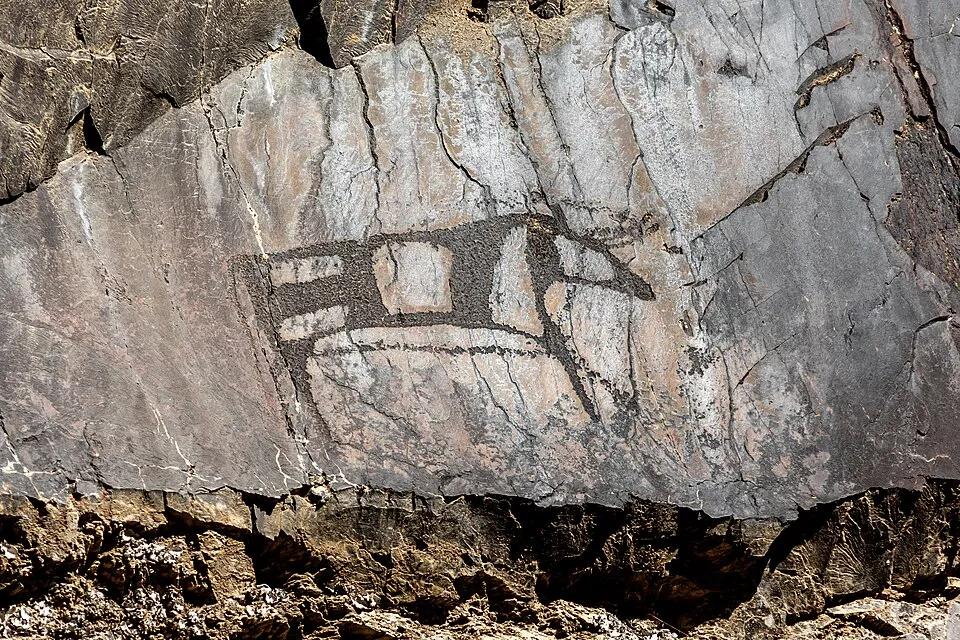
At Sarmishsay, the first challenge is learning to see. A line that seems like part of the rock can become an animal's back; another figure may cross it, leaving a clue that the surface was used at different times.
The gorge in Uzbekistan's Navoi region holds an extensive concentration of petroglyphs. It rewards an unhurried visit with someone who can explain individual panels, rather than a race to collect the largest possible number of photographs.
1. Treat the gorge as a layered record
Sarmishsay is not a single artwork made on one date. Published accounts describe carvings attributed to different periods, including prehistoric and later historic phases. Other archaeological remains in the landscape add to that long record of human presence.
Keep the age of the landscape's occupation separate from the proposed age of a particular image. A Stone Age site nearby does not automatically make every visible engraving Stone Age. Nor should an eye-catching figure receive a precise date simply because it appears in a tourist photograph.
2. Ask how a date was proposed
Researchers compare style, subject, technique, patina and relationships between overlapping images. These methods can suggest a sequence, but they do not give every panel a precise calendar date. Comparisons with independently dated archaeological material also inform interpretation.
The specialist survey Rock Art in Central Asia discusses Sarmishsay's changing imagery and later additions. Some public summaries offer unusually broad or inconsistent prehistoric date ranges. Ask what evidence supports the date attached to the actual panel you are viewing rather than merging those ranges into one confident number.
3. Describe an image before naming its meaning
Begin with visible details: the number of legs, the shape of a horn, the direction of a figure and whether lines overlap. Then listen to interpretations. An animal identification may be more secure than a claim about a specific ritual or a named deity.
Two people can notice different parts of the same panel without either needing to touch it. Photograph the whole surface from the permitted path before taking a closer view. That wider image records relationships which a tight crop can remove.
4. Protect the surface that carries the evidence
Do not wet, chalk, trace or rub a carving to make it stand out. Avoid touching the engraved areas or climbing onto decorated rocks. These interventions can damage the very surface details that specialists use to study the images.
Stay with the agreed visitor route, keep food and rubbish away from the panels and leave any loose finds where they are. If a guide proposes altering the surface for a better photograph, choose a different angle or wait for different light instead.
5. Use the right heritage label
Sarmishsay appears on Uzbekistan's UNESCO Tentative List. A tentative-list entry is a proposal for possible future World Heritage consideration, not the same status as an inscribed World Heritage property.
That distinction changes no visitor's responsibility. Rock art remains vulnerable whether or not it carries an international designation, and protecting it begins with small decisions made beside the panel.
Travel Tip
Arrange a local guide, a defined walking route and a pickup plan before leaving for the gorge. Ask about footing, weather and any current access restrictions; bring water, a hat and shoes with grip. Contact Minzifa Travel to assess whether a Sarmishsay stop fits your route and mobility.
Sources and further reading
- UNESCO: Sarmishsay petroglyphs, tentative-list submission
- ICOMOS International Scientific Committee on Rock Art: Rock Art in Central Asia
- Specialist discussion of chronology, University of Turin repository
Cover photo: A petroglyph panel at Sarmishsay; the photograph does not establish the date of its figures. Source: 2023.03.20 Sarmishsay 012.jpg. Credit: Relisa Granovskaya. License/status: CC BY-SA 4.0. Web-optimised photograph remains available under the stated share-alike licence.
Comments
Leave a comment
No comments yet. Be the first to share your thoughts!