Sogdian Merchants in Their Own Words: Letters, Languages and Trade
An undelivered letter can make an ancient trade route feel unexpectedly close. Reports of disrupted business sit beside messages about separation and hardship. The Sogdian Ancient Letters preserve people trying to manage distance, rather than a tidy diagram of caravans moving between two capitals.
For a traveller visiting Samarkand, they offer another way into Sogdian history: start with a voice on paper, then look at the landscapes and museum objects connected with that world.
1. Meet a small, remarkable group of documents
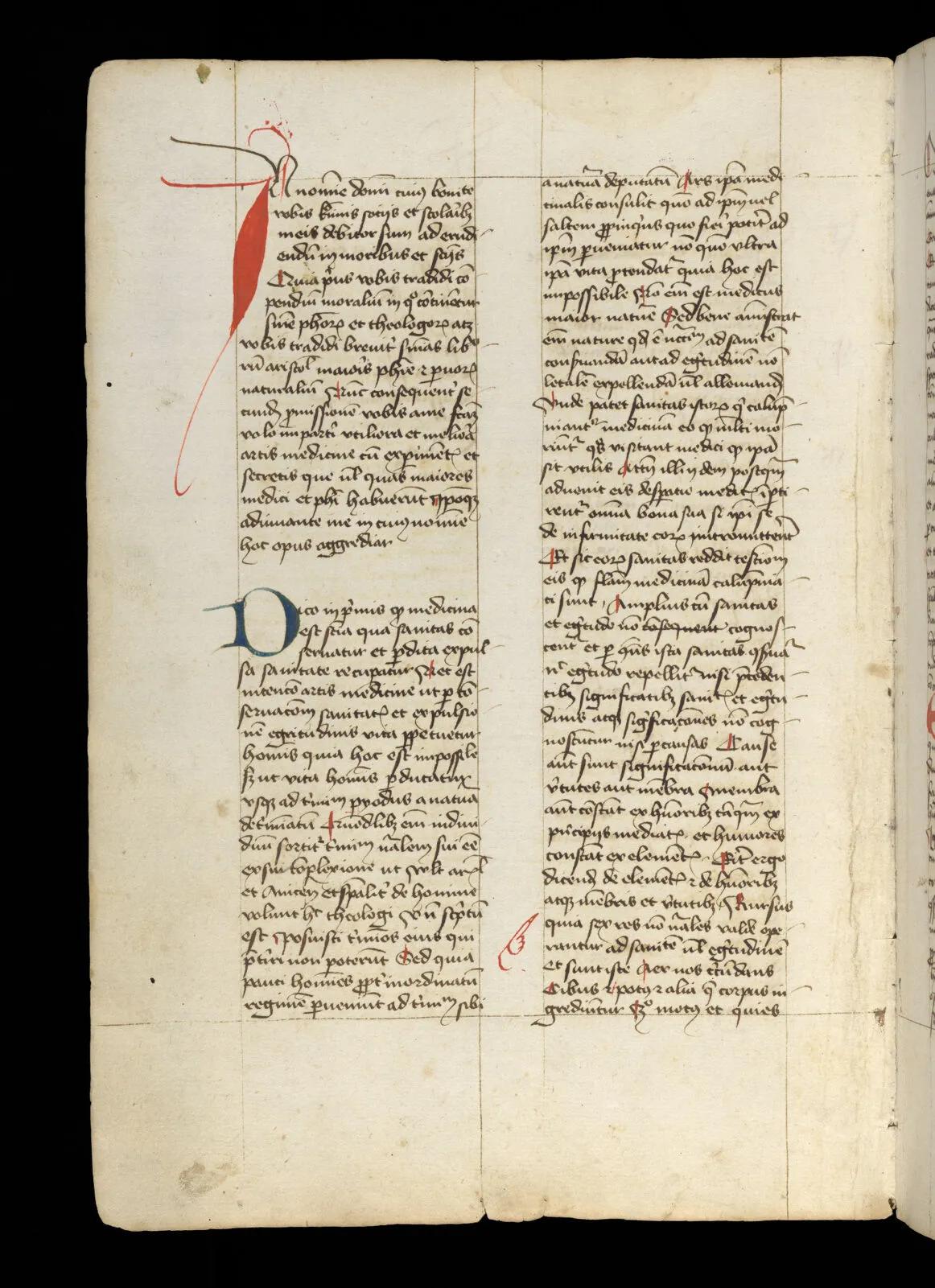
The letters were discovered by Aurel Stein in 1907 near Dunhuang in western China. Scholars generally place them in the early fourth century CE. They are among the earliest substantial surviving texts in Sogdian, an Iranian language associated with the region around Samarkand.
Their preservation is exceptional, not representative of everything that was written. The University of Washington's translations and introduction let readers inspect particular messages rather than rely on a sweeping modern summary.
2. Follow relationships, not one central organisation
One letter, associated with the merchant Nanai-vandak, connects business in China with partners in Samarkand. The correspondence records representatives, goods, unsettled conditions and communication over enormous distances. References to Sogdians living in Chinese towns also show the importance of communities abroad.
These are networks built from people and relationships. They are not evidence that every merchant belonged to one company, used a single bank or participated in a uniform financial system. A surviving business instruction can establish a transaction or connection without explaining the entire economy around it.
3. Listen for more than one language
Sogdian travelled with its speakers and became useful in exchanges far beyond its home region. Smithsonian research describes both its wide geographic use and the multilingual settings in which Sogdians worked. Some Sogdians also helped translate religious texts.
Do not imagine that every individual spoke the same set of languages. A useful distinction is between what the letters show directly—the language in which these correspondents wrote—and the broader multilingual world reconstructed from other texts and inscriptions.
4. Leave room for the family story
The letters associated with Miwnay, also written Miunai in modern transliteration, complicate a purely commercial narrative. Their accounts of abandonment and difficulty remind us that mobility could produce vulnerability as well as opportunity.
Read an individual translation slowly. Who is speaking? Who is supposed to receive it? What does the writer want the recipient to do? Those questions reveal more than an attempt to turn every passage into evidence of successful global commerce.
5. Bring that perspective to Samarkand
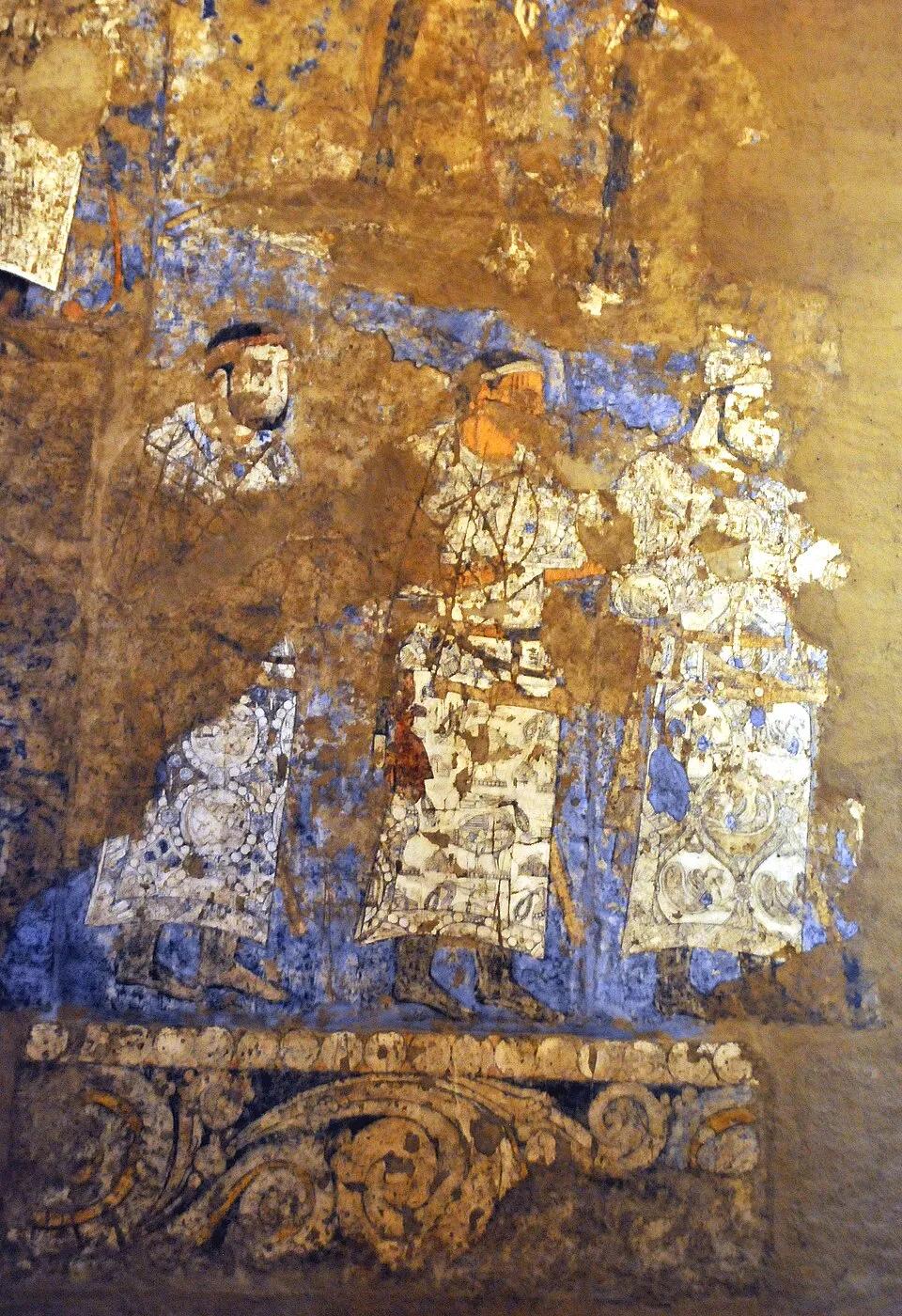
At the Afrosiab museum and archaeological landscape, ask about the dates of the exhibits you see. The celebrated wall paintings belong to a later Sogdian setting than the Ancient Letters. They can enrich the visit, but they do not illustrate the same moment or identify the letter writers.
The cover photograph shows an Afrosiab mural, not one of the letters. Keeping those categories distinct makes the connections between objects, texts and places more interesting.
Travel Tip
Read one translated Ancient Letter before your museum visit. Save it offline and ask your guide to connect its geography with a map. Contact Minzifa Travel to request a Samarkand programme with time for Sogdian history.
Sources and further reading
- University of Washington: Sogdian Ancient Letters and translations
- Smithsonian: Ancient Letters
- Smithsonian: Sogdian language and scripts
- Encyclopaedia Iranica: Sogdian trade
Cover photo: A mural in Samarkand’s Afrosiab museum; a later Sogdian artwork, not an Ancient Letter. Source: Samarcanda, Afrosiab (museo) 5.jpg. Credit: LBM1948. License/status: CC BY-SA 4.0. Web-optimised photograph remains available under the stated share-alike licence.
Comments
Leave a comment
No comments yet. Be the first to share your thoughts!