The Tears of the Mountain: Issyk-Kul’s Flooded-City Legends
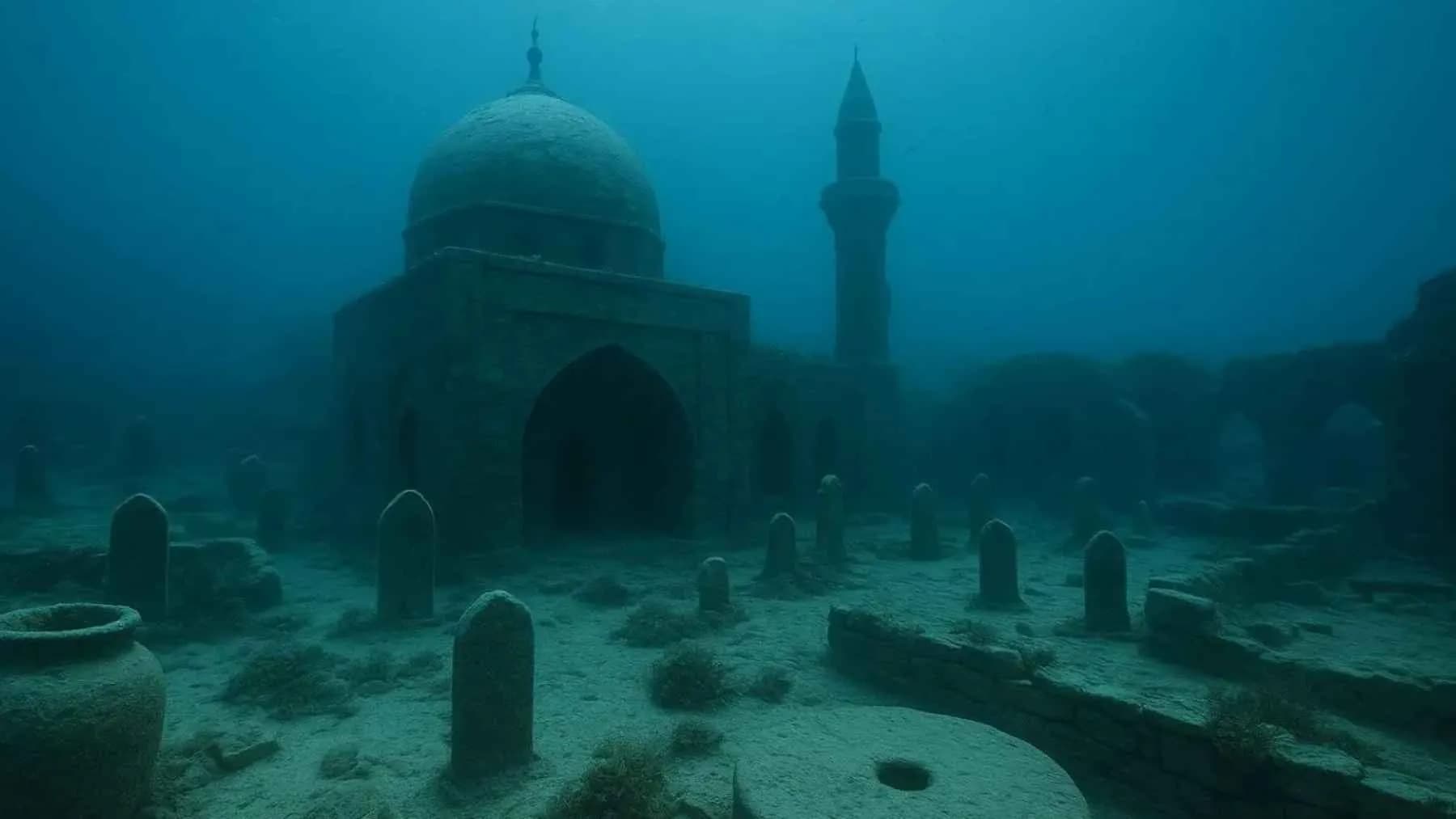
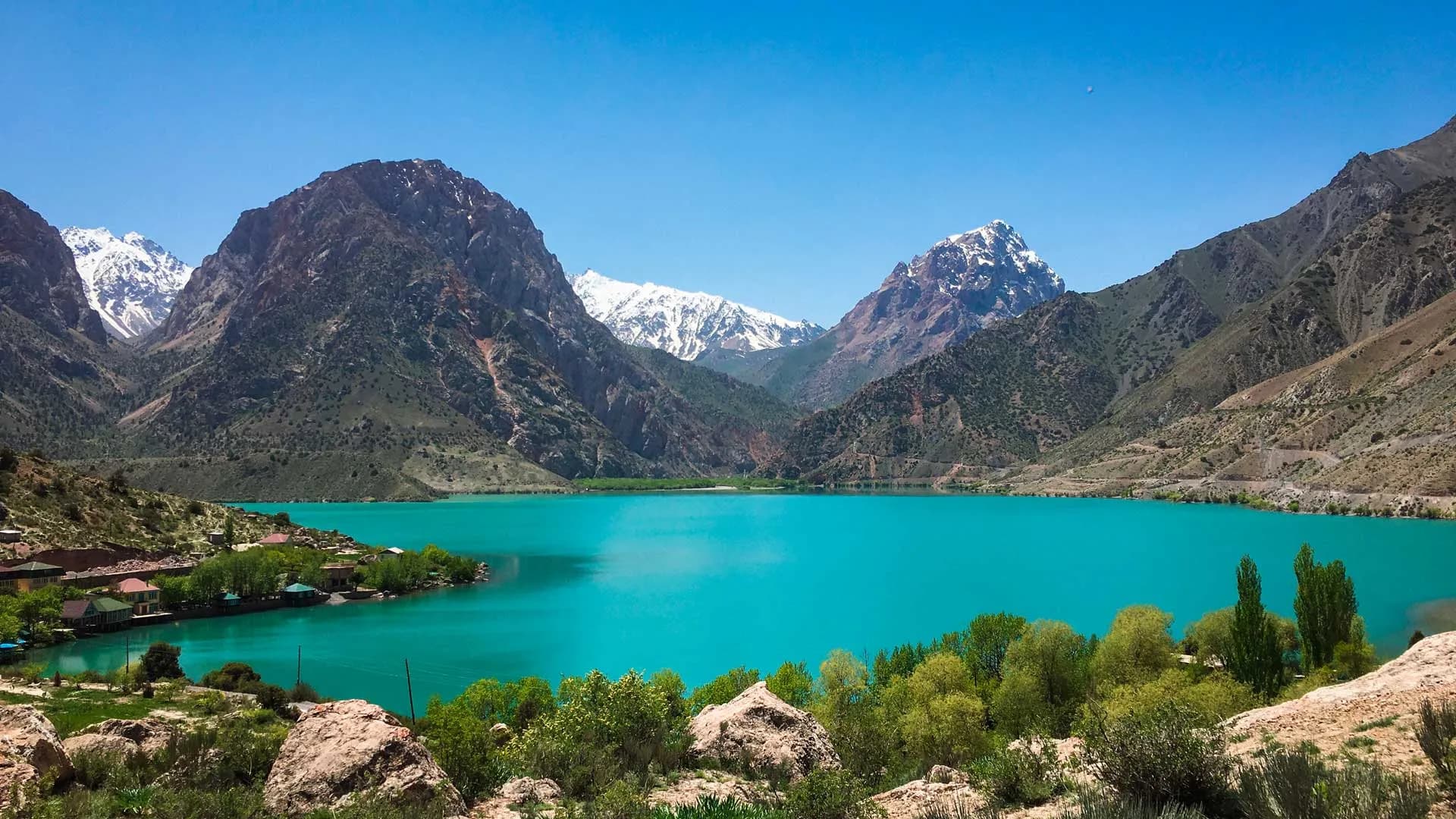
Issyk-Kul sits between the ranges of the Tien Shan, its blue water changing colour with the light. Stories tell of a city or a proud community swallowed by the lake, leaving the water as the mountain’s tears. These are legends rather than a single proven account of the lake’s formation, but they add a human scale to a landscape shaped by geology, climate and centuries of travel.
- Read the landscape first
When: Summer brings the warmest lakeside weather; shoulder seasons are quieter and cooler. Where: The northern or southern shore of Issyk-Kul in northeastern Kyrgyzstan. The Vibe: Alpine horizons meeting a vast, open lake. The lake is high above sea level and surrounded by mountain systems, so weather can change quickly. Its name is commonly translated as “warm lake,” reflecting the fact that it generally does not freeze over despite the altitude. Choose a base according to your interests: the north has more developed resort services, while the south is quieter and feels more open.
- Hear the drowned-city stories
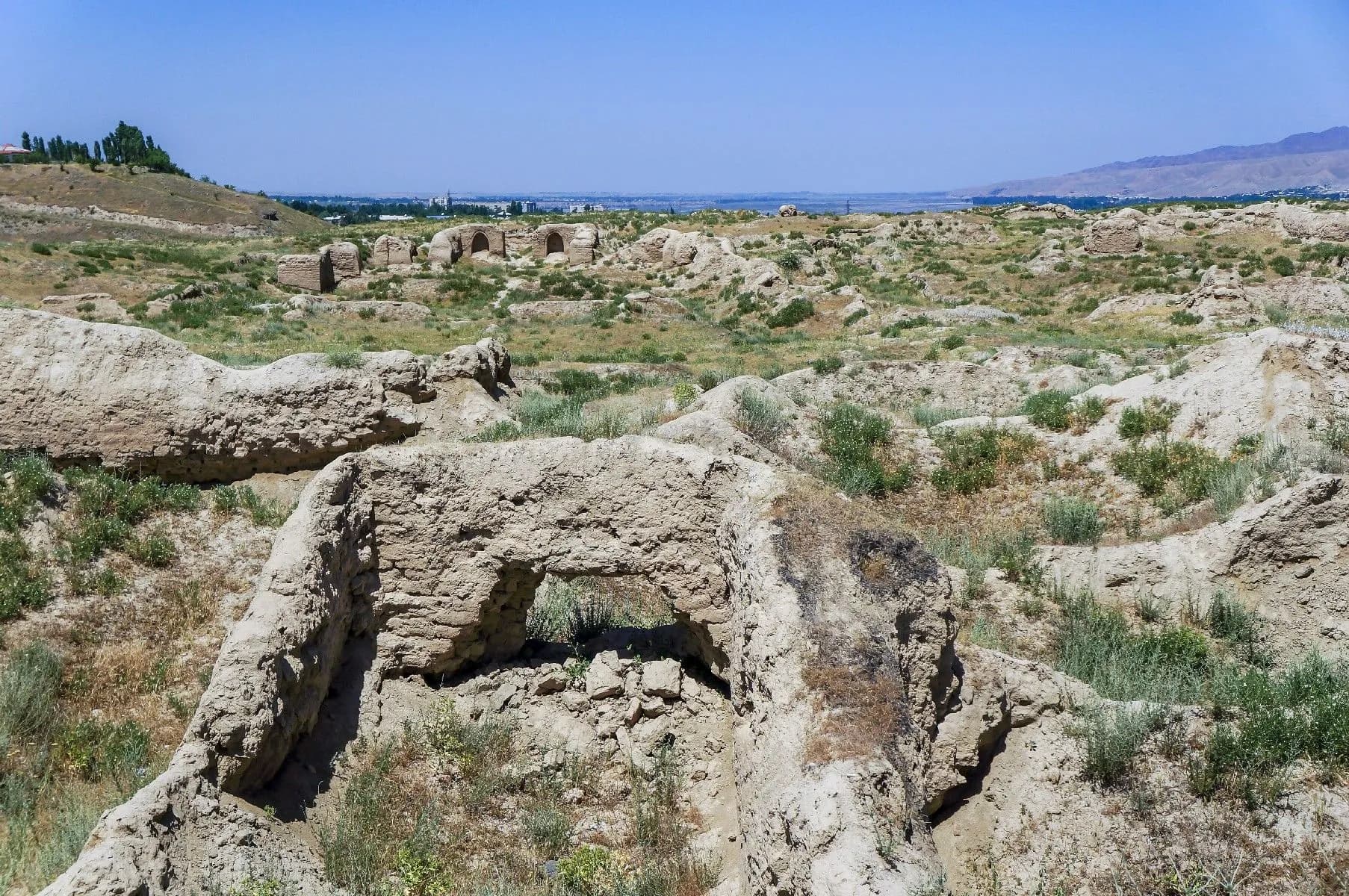
When: Add a local storytelling stop to a relaxed shoreline day. Where: Around lakeside settlements and cultural sites such as Cholpon-Ata. The Vibe: Oral tradition beside archaeological questions. There are multiple versions of stories about settlements disappearing beneath the water. Underwater archaeological discoveries in the wider region make the subject intriguing, but they do not verify every legend or identify a single lost city as the source of the tale. Ask guides to distinguish local accounts from confirmed findings.
- Choose experiences that fit the day
When: Allow at least one night by the lake on a longer Kyrgyzstan route. Where: Beaches, petroglyph areas, villages and mountain viewpoints. The Vibe: A mix of swimming, history and slow scenic travel. Water temperature, wind and beach facilities vary by shore and season. Bring layers even in summer, check conditions before swimming, and do not assume every shoreline is a managed beach. A short boat outing or village meal can be more rewarding than trying to circle the entire lake in one day.
- Respect the scale
When: Build in travel time; distances around the lake are substantial. Where: Road journeys between the lake, Bishkek and mountain valleys. The Vibe: Spacious and restorative, with real driving distances. Confirm road times with a local operator, especially if combining Issyk-Kul with high mountain passes. Keep water and snacks in the vehicle and leave daylight for scenic stops. Travel Tip: Choose your lake base before booking activities; cross-lake drives can take longer than a map suggests. Explore Kyrgyzstan with Minzifa Travel tours, read about our approach, or contact us to plan a lake and mountain itinerary.
Comments
Leave a comment
No comments yet. Be the first to share your thoughts!