Uzbek Naan Traditions: Why Bread Is Treated with Such Respect
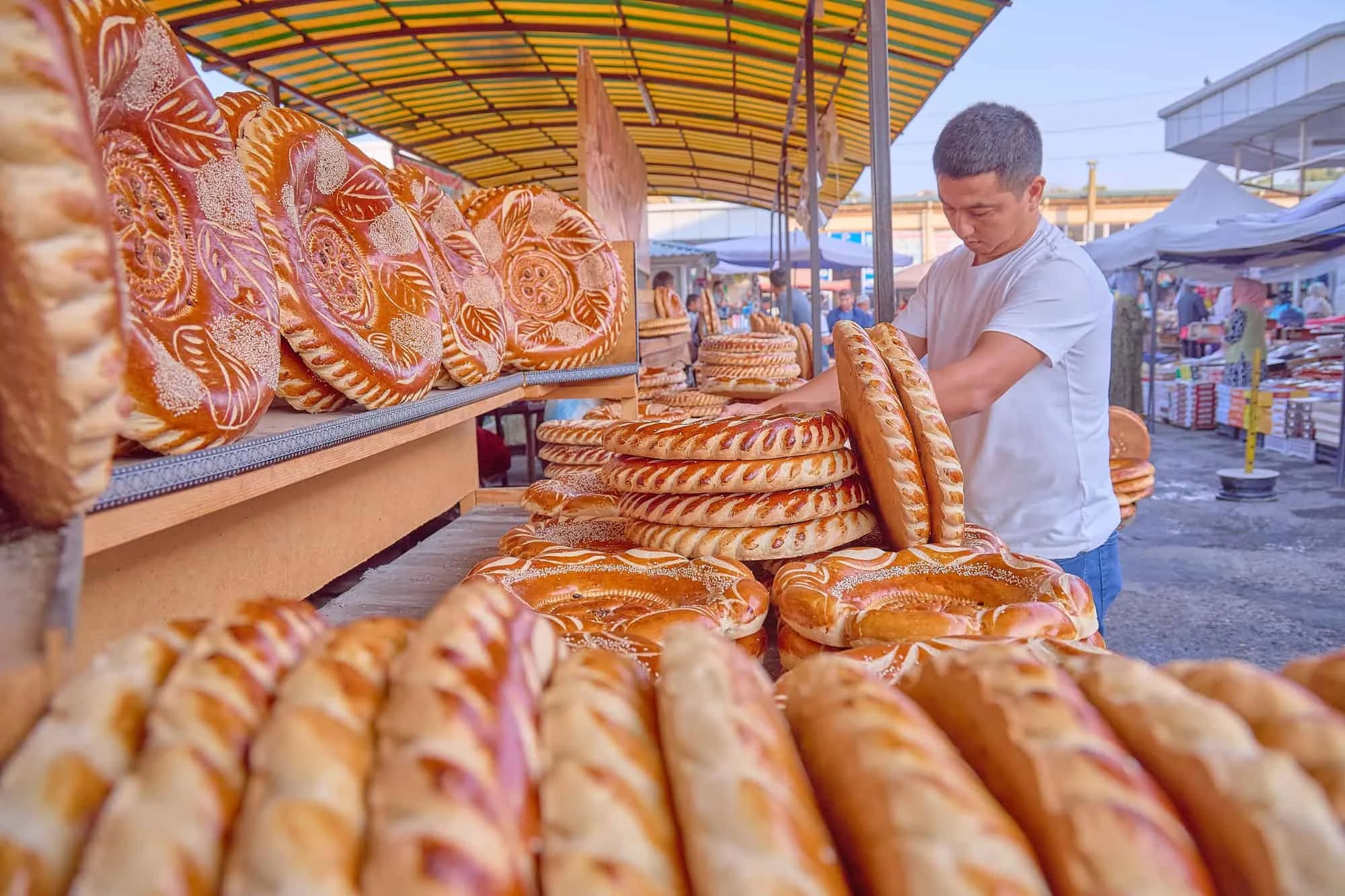
In Uzbekistan, bread—usually called non—is part of everyday meals and a visible sign of welcome. Its importance comes from food, labor and family tradition, not from one rule that every household follows identically. Watch how bread is handled at a bakery or table, and you will learn more than a list of do’s and don’ts can teach.
- From dough to tandir
Visit a bakery in the morning when fresh rounds are coming out. Neighborhood bakeries and tandir ovens across Uzbekistan. Warm bread, sesame, and the smell of a working oven. Tandir-baked rounds develop a distinctive crust and pattern. Bakers shape and stamp each loaf before attaching it to the oven wall. Methods and recipes vary by region and bakery, so ask what makes that shop’s bread special.
- Bread at the table
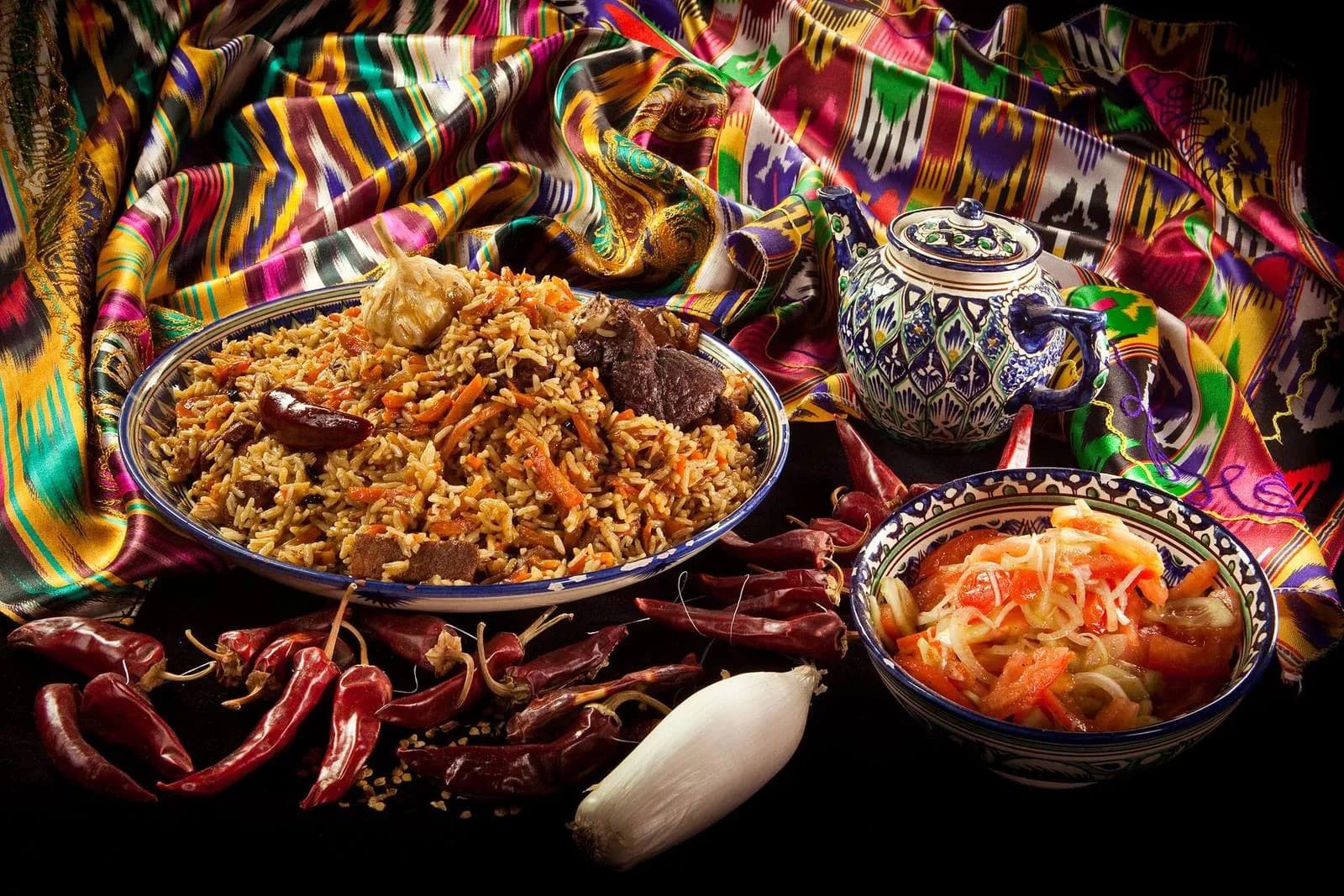
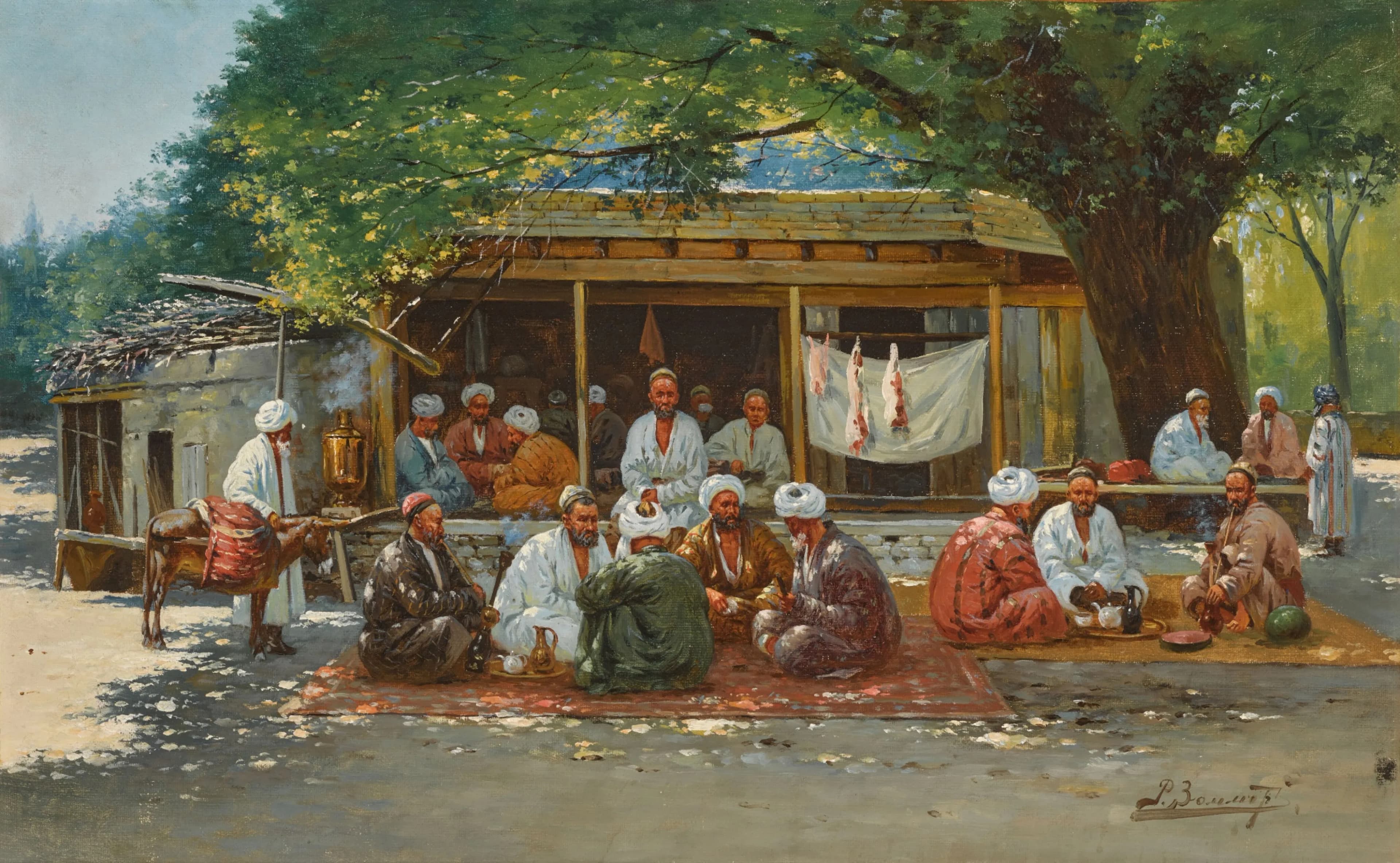
Whenever non is served with tea, soup or a shared meal. Homes, chaikhanas and family restaurants. Simple, essential and meant to be shared. Bread may be broken or passed around rather than treated as an individual side. Many people avoid placing it on the floor or wasting it. Customs vary, so follow the host’s lead and ask politely if you are unsure. These gestures express respect for food and the effort behind it.
- Join the tradition responsibly
When buying bread or visiting a bakery. Local markets and neighborhood bakeries. A small everyday encounter with a big cultural welcome. Buy only what you can eat, keep bread clean and avoid photographing workers without permission. If you are invited to taste a fresh loaf, accept if you wish and thank the baker. Supporting a local bakery is a good way to experience food culture beyond formal restaurants. Try non while it is still warm, but let it cool enough to handle safely. Ask the baker which variety is typical for that neighborhood. Explore Uzbek culture with Minzifa Travel tours, learn about Minzifa Travel, or contact our team to plan your trip.
Comments
Leave a comment
No comments yet. Be the first to share your thoughts!